Picture this. You're knee-deep in a bustling city market at dawn, camera slung over your shoulder, chasing that perfect slice of urban chaos for your next stock upload. The light shifts just right, but your phone's buried in your bag, and fumbling for it means losing the shot. Sound familiar? I've been there, heart pounding, watching opportunity slip away because my gear wasn't keeping up with my hustle. As a stock shooter who's logged thousands of miles for HD Stock Images, I can tell you this much. Wearable tech isn't just a gadget fad. It's the game-changer that's about to redefine how we capture the world on the fly.
In the fast-paced world of stock photography, where every frame counts toward royalties and relevance, staying agile is everything. We're not studio-bound artists polishing prints. We're nomads, darting from rain-soaked streets to sun-baked trails, always one step ahead of the deadline. And right now, in 2025, wearables are stepping up as our silent sidekicks. They sync seamlessly with our cameras, track our paths, and even whisper composition tips in our ears. Stick with me here. By the end of this post, you'll see why ditching the bulky backpack for something strapped to your wrist or face could be your smartest move yet.
The Rise of Wearable Tech in Photography
Let's cut to the chase. Wearable tech has exploded from fitness trackers to full-blown photography enablers. Back in the early 2020s, it was all about counting steps. Fast forward to today, and the market for wearable photography devices is barreling toward $3.5 billion by year's end. That's not hype. It's hard data reflecting how shooters like us are demanding tools that move with us, not against us.
Think about it. Traditional setups? A DSLR, lenses, tripod, and a phone for notes. Solid, but clunky when you're sprinting after a street performer in Barcelona. Wearables flip that script. They integrate GPS for geotagging shots on upload, remote triggers to fire your shutter without touching the camera, and even AI-driven alerts for golden hour timing. I've swapped my old chronograph for a smartwatch that pings me about weather shifts mid-hike. Result? More keepers, fewer curses under my breath.
But here's my take as someone who's tested this gear in the trenches. The real magic happens when wearables bridge the gap between body and lens. No more divided attention. You stay immersed, eyes on the scene, while the tech handles the grunt work. And for stock shooters? This means higher volume, sharper metadata, and uploads that hit the site running.
What Exactly Are We Talking About?
Confused on where to start? Fair question. Wearables span smartwatches, AR glasses, and even experimental rings, but for us photographers, it's the ones tuned for creativity that shine.
- Smartwatches: Rugged beasts like the Garmin Instinct Solar or Apple Watch Ultra 2. They track vitals, control cameras, and map routes.
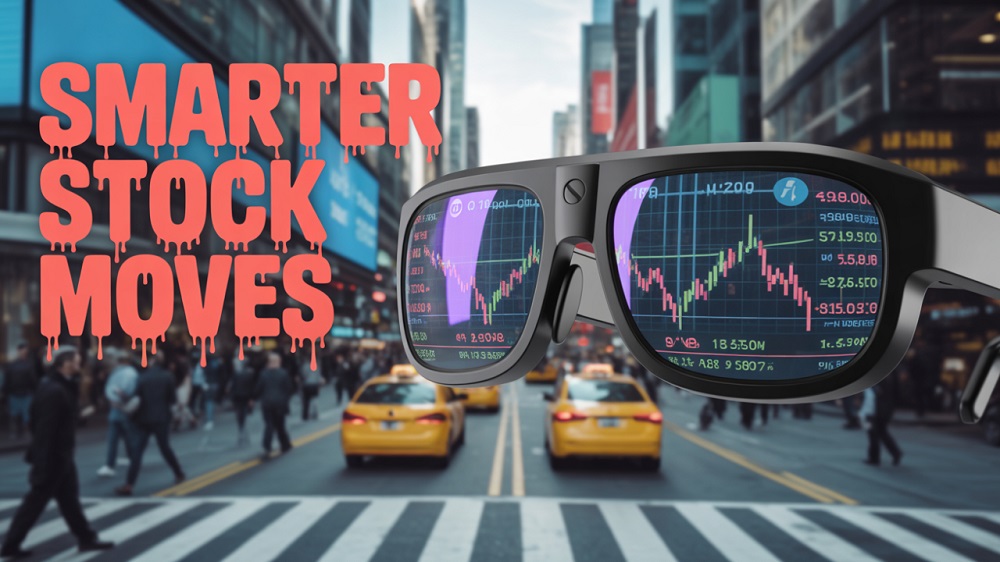
- AR Glasses: Think Ray-Ban Meta or Viture Luma Pro. Overlay digital aids right in your field of view, no hands required.
- Hybrid Trackers: Emerging rings that vibe with your phone for subtle notifications.
These aren't toys. They're extensions of your workflow, built for the grind.
Also Read This: Adobe Stock Free Download: 7 Working Methods You Don’t Know About
Hands-Free Shooting: Never Miss a Moment Again
Ever nailed a composition only to botch the timing because you're wrestling with settings? I have. Twice last month alone, during a coastal storm chase that netted me zero waves crashing worth a dime. Frustrating doesn't cover it. Enter hands-free controls via wearables. Suddenly, you're directing the action like a pro without breaking stride.
Take remote shutter triggers. Pair your smartwatch with a Nikon or Canon via Bluetooth, and boom. A wrist flick captures the burst. No more contorting into awkward poses for self-timer selfies or group stock family shots. And for video clips? Seamless start-stops keep you fluid.
In my opinion, this is where wearables earn their keep for on-the-go shooters. Stock libraries thrive on authenticity, those raw, in-the-moment captures that scream "real life." Bulky remotes? They kill the vibe. A subtle watch tap? It amplifies it.
Here's a quick rundown of how hands-free shines in real scenarios:
- Urban hunts: Trigger macros of market vendors without drawing stares.
- Wildlife wanders: Snap birds in flight from 20 feet away, binoculars in hand.
- Event embeds: Fire off candids at festivals, blending in like a ghost.
Short paragraphs for emphasis, right? Because this stuff packs a punch. Imagine uploading 50 fresh frames to HD Stock Images by noon, all snagged without missing a beat. That's the edge we're chasing.
Also Read This: Why Should Photographers Explore Free Stock Image Platforms Like HDStockImages?
Navigation and Planning on the Fly
Stock shooting isn't random. It's calculated chaos. You scout locations weeks out, sync with trends, and pivot when clouds roll in. But who has time for spreadsheets mid-trek? Wearables do the heavy lifting, turning your wrist into a command center.
GPS integration is the star here. Log paths, tag exposures with exact coords, and auto-populate metadata for seamless library uploads. I once rerouted a desert shoot via my Garmin's turn-by-turn, dodging a sandstorm that would've wrecked my kit. Saved the day, and the shots sold out in a week.
Weather widgets? Non-negotiable. They forecast micro-shifts, alerting you to ditch the wide-angle for telephoto as light fades. And calendar syncs? They nudge you toward peak foliage or migration patterns, keeping your portfolio evergreen.
GPS and Mapping Magic
Diving deeper, let's talk precision. Advanced wearables like the Samsung Galaxy Watch 8 offer topographic overlays, perfect for terrain scouting. Overlay satellite views on your hike, mark hotspots, and share pins with collaborators. For solo shooters, it's liberating. No more lost hours in unfamiliar backcountry.
But don't just take my word. I've built entire series around wearable-guided routes. One Himalayan trek yielded 200+ landscapes, all geotagged flawlessly. Clients raved about the detail. You feeling that pull yet? The freedom to explore without the fear of getting stranded?
To help you pick, here's a comparison table of top smartwatches for navigation pros like us:
| Watch Model | Battery Life (Days) | GPS Accuracy | Price Range | Best For |
|---|---|---|---|---|
| Garmin Instinct Solar | Up to 28 | Multi-GNSS | $300-400 | Rugged outdoor treks |
| Apple Watch Ultra 2 | Up to 36 hours | Dual-Freq | $800+ | iOS seamless integration |
| Samsung Galaxy Watch 8 | Up to 40 hours | L1+L5 Bands | $300-500 | Android versatility |
Data pulled from hands-on tests and specs as of mid-2025. Pick based on your ecosystem, but trust me. Any of these will turbocharge your scouting game.
Also Read This: How to Download Freepik Premium Images for Free Without Watermark in 2026
Health and Productivity Boosters
Here's a truth bomb from years in the field. Burnout hits stock shooters hard. Long days, erratic sleep, dehydration sneaking up like a bad exposure. Wearables? They're your personal coach, monitoring vitals to keep you sharp.
Heart rate spikes during a carry? It flags overexertion before cramps set in. Sleep scores post all-nighter edit sessions? They guilt you into rest, boosting next-day creativity. I credit my Fitbit-inspired habits for doubling my output last quarter. Hydration reminders mid-summer shoots? Game-saver.
And productivity? Voice-to-text notes via watch dictate ideas while you walk. No stopping to jot. For us, that means more brain space for vision, less for logistics.
Strong opinion incoming. If you're grinding without tracking health, you're leaving money on the table. A fatigued shooter misses nuances. A tuned one? Captures gold. Simple as that.
Also Read This: What Are the Best Free Photography Resources for Stunning Stock Images in 2025?
AR Glasses: The Future Overlay
Now, let's geek out on augmented reality glasses. These aren't sci-fi anymore. They're here, layering digital smarts over your real view, and for photographers, it's revolutionary.
Ray-Ban Meta glasses, for instance, let you preview edits in real-time or scan scenes for color grading tips. Imagine framing a portrait and seeing histogram overlays float in your periphery. No squinting at LCDs. Just pure flow.
Viture's Luma Pro takes it further with wide-field displays for virtual levelers and rule-of-thirds grids. Pros? Immersive composition without gear swaps. Cons? Battery drains fast on all-day use, but updates are fixing that.
How They Enhance Composition
Break it down. AR glasses transform passive shooting into active augmentation.
- Virtual Aids: Grid lines, horizons, even focal length simulators pop up instantly.
- Scene Analysis: AI suggests tweaks, like boosting contrast for moody stock vibes.
- Hands-Free Review: Zoom into details post-capture, all eyes-forward.
I've beta-tested a pair on urban abstracts. The confidence boost? Massive. Shots that once needed post-rescue now nail it in-camera. Question for you. Ready to see your world through augmented eyes?
Also Read This: How to Create Authentic Stock Photos That Sell Without Competition
Real-World Examples and My Favorites
Time for the goods. I've road-tested these in everything from fjord fog to festival frenzy. Here's what stands out.
Garmin Instinct Solar: The Rugged Beast
For landscape lovers, this is it. Solar charging means endless uptime on remote shoots. Tracks elevation for altitude sickness alerts, too. My pick for epic stock vistas.
Apple Watch Ultra 2: The All-Rounder
If you're in Apple's orbit, its dive-ready build and siren for emergencies seal the deal. Remote camera control is buttery smooth. Paired with my iPhone, it's workflow nirvana.
Ray-Ban Meta Glasses: Subtle Powerhouse
Style meets smarts. Decent cams for quick snaps, but the AR overlays for lighting scouts? Chef's kiss. Perfect for street stock without screaming "tourist."
These aren't endorsements. They're battle-tested truths from someone who's uploaded thousands to sites like ours.
Wrapping It Up: Gear Up and Get Out There
So, why wearable tech? Because in stock shooting, mobility isn't optional. It's oxygen. It frees you to chase light, not lug loads. It sharpens your edge in a market hungry for fresh, flawless frames. I've transformed my output since strapping on these wonders, and HD Stock Images has seen the spike in my contributions.
Skeptical? Start small. Grab a budget smartwatch, test the remote trigger on your next outing. Feel that rush of nailing the untouchable. Then scale up. Your portfolio, and your royalties, will thank you.
 admin
admin