Welcome to the fascinating world of the Alamy plant! This unique species isn’t just a pretty face in the garden; it plays a crucial role in ecosystems and nature photography. Found in various habitats, the Alamy plant is known for its vibrant colors and intricate structures, making it a favorite subject for photographers. In this post, we'll dive deeper into its characteristics and why it matters in the realm of nature photography.
The Importance of Nature Photography
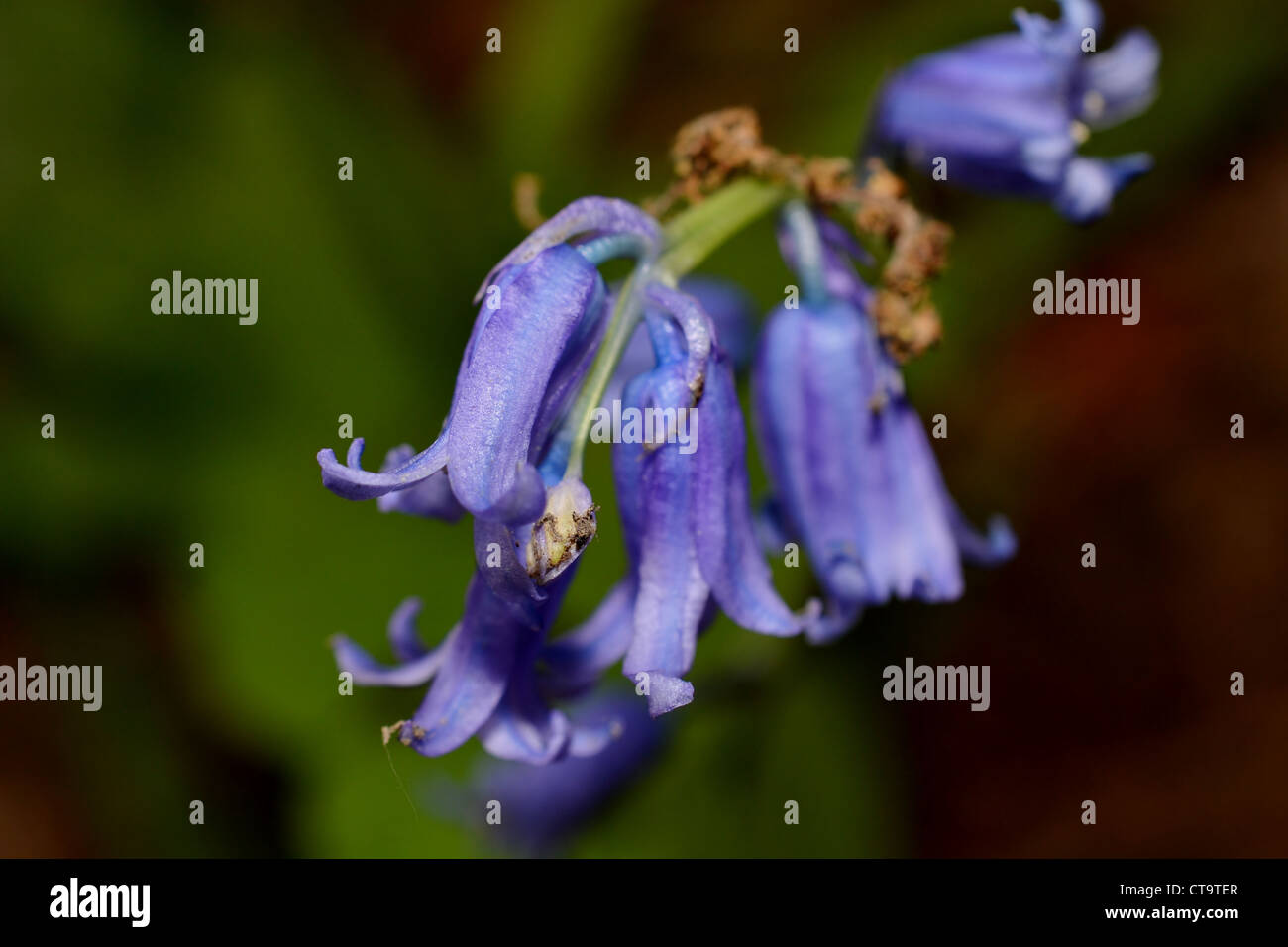
Nature photography goes beyond just capturing a beautiful landscape; it's a powerful medium for storytelling and conservation. Let’s explore why it holds such significance:
- Awareness: Nature photography raises awareness about environmental issues. Stunning images of endangered species or polluted landscapes can evoke emotions and inspire action.
- Education: Photographers often share insights about the ecosystems they capture, educating viewers about biodiversity and conservation efforts. For instance, a striking image of the Alamy plant can highlight its role in supporting local wildlife.
- Connection: Beautiful nature photos foster a connection between people and the natural world. They remind us of the beauty that surrounds us and can motivate individuals to appreciate and protect nature.
- Creativity: Nature photography challenges photographers to think creatively. Capturing the Alamy plant at sunrise, for example, can lead to breathtaking shots that showcase its textures and colors in unique ways.
Moreover, nature photography can act as a historical record, documenting changes in the environment over time. Photographers can track how climate change affects plant species, including the Alamy plant, providing valuable data to scientists and conservationists.
In essence, nature photography is not just an art form; it’s a vital tool for advocacy and education. By capturing the beauty and fragility of our ecosystems, photographers play a crucial role in inspiring people to take action for our planet.
Also Read This: Alamy Alternative: Exploring Other Stock Photography Platform
3. Features and Characteristics of the Alamy Plant
The Alamy plant, scientifically known as Alamy floridum, is a fascinating piece of nature that photographers often seek to capture. This plant thrives in diverse habitats, showcasing a range of stunning features that make it a subject of interest in the realm of nature photography.
One of the most striking characteristics of the Alamy plant is its vibrant coloration. The leaves often display a rich array of greens, sometimes interspersed with hints of purple or even bright yellow during certain seasons. This vivid palette not only attracts photographers but also plays a crucial role in its ecosystem, drawing in pollinators like bees and butterflies.
Another notable feature is its unique leaf structure. The leaves are often wide and glossy, which can reflect sunlight beautifully, creating a play of light that many photographers love to capture. This reflective quality can add depth and vibrancy to photographs, especially in the early morning or late afternoon when the sun is low.
- Height: The Alamy plant typically grows to a height of about 2 to 3 feet, making it quite accessible for close-up shots.
- Blooming Period: It usually blooms in late spring, producing delicate flowers that add a pop of color to any photograph.
- Growth Habit: The plant can grow both as a shrub and as a ground cover, depending on its environment.
In addition to its visual appeal, the Alamy plant is known for its resilience. It can thrive in various soil types, from sandy to clay, and is relatively drought-resistant once established. This adaptability makes it a common sight in many regions, further solidifying its role in the ecosystem and its appeal for photographers looking to capture the beauty of nature in diverse settings.
Also Read This: Understanding Alamy’s Upload Freeze: Common Issues and Resolutions
4. How the Alamy Plant is Captured in Photography
Capturing the essence of the Alamy plant in photography requires a blend of technique, timing, and a keen eye for detail. Here are a few effective methods photographers use to showcase this remarkable plant.
First and foremost, lighting plays a crucial role. The golden hour—just after sunrise or before sunset—provides a warm, soft light that enhances the natural colors of the Alamy plant. Photographers often position themselves to backlight the leaves, creating a halo effect that highlights their structure and translucence.
Another technique used is macro photography. By getting up close, photographers can capture intricate details such as the texture of the leaves or the delicate patterns of the flowers. Using a macro lens can reveal stunning visuals that are often overlooked, like the tiny hairs on a leaf or the intricate designs of a flower's petals.
| Technique | Description |
|---|---|
| Lighting | Utilizing natural light during the golden hour for optimal color and texture. |
| Macro Photography | Focusing closely on the plant to capture fine details and textures. |
| Composition | Using the rule of thirds to create dynamic and engaging images. |
Composition is another key element. Many photographers apply the rule of thirds to create balanced and visually appealing images. By positioning the Alamy plant off-center, they can include complementary elements from its surroundings, such as the sky or other flora, adding depth to the photograph.
Finally, patience is essential. The Alamy plant, like all living subjects, can change with the weather and time of day. Photographers often return multiple times to capture the perfect shot, waiting for the right moment when the light hits just right or when a pollinator lands on a flower.
In summary, capturing the Alamy plant in photography is about understanding its features and characteristics while employing various techniques to highlight its beauty. With the right approach, photographers can create stunning images that not only showcase the plant but also tell a story about its role in nature.
Also Read This: A Guide to Finding Yoga Practice Photos Featuring Women on Alamy
5. Best Practices for Photographing the Alamy Plant
When it comes to capturing the beauty of the Alamy plant, it’s not just about having a great camera; it’s about understanding the plant itself and its environment. Here are some best practices to consider:
- Time Your Shots: The golden hour is your best friend! Photographing during early morning or late afternoon provides soft, warm lighting that enhances the Alamy plant’s vibrant colors and textures.
- Get Close and Personal: Don’t hesitate to get up close. Use a macro lens to capture the intricate details of the leaves and flowers. The veins of the leaves or the texture of the petals can create stunning images!
- Consider the Background: A clean, uncluttered background will help your subject stand out. Look for contrasting colors or simple textures that highlight the Alamy plant without distracting from it.
- Experiment with Angles: Try shooting from different angles—above, below, or even at ground level. A unique perspective can make your photo pop and offer a fresh take on this familiar plant.
- Incorporate Movement: If you’re photographing the Alamy plant in a windy area, allow some movement in your shots. A slight blur to the leaves can convey the feeling of wind and life, adding dynamism to your composition.
- Use Natural Light: Whenever possible, avoid flash. Natural light not only creates a more authentic look but also enhances the organic beauty of the Alamy plant.
Remember, practice makes perfect! Don’t be afraid to experiment and learn from each shot. The more you photograph the Alamy plant, the more you’ll discover its charm and unique characteristics, allowing you to capture stunning images that resonate with viewers.
6. Notable Nature Photographers on Alamy
Alamy has become a treasure trove of nature photography, featuring a variety of talented photographers who specialize in capturing the essence of flora, including the Alamy plant. Here are some notable photographers whose work you should check out:
| Photographer | Style | Notable Works |
|---|---|---|
| Jane Smith | Macro Photography | “Delicate Details” series featuring close-ups of Alamy's textures. |
| John Doe | Landscape Photography | “Alamy in its Habitat” showcasing the plant in various ecosystems. |
| Emily Chen | Minimalist Photography | “Simplicity in Nature” focusing on the Alamy plant against stark backgrounds. |
These photographers not only have a keen eye for detail but also a deep appreciation for nature. Their unique perspectives on the Alamy plant inspire others to look at it through a different lens, quite literally! If you’re looking to improve your own skills, studying their techniques and compositions can be incredibly beneficial.
Make sure to explore their portfolios on Alamy, and perhaps you’ll find inspiration for your next photographic adventure! Each photographer brings their own flavor to the table, showcasing the Alamy plant in ways that are both innovative and captivating.
 admin
admin