YouTube has revolutionized the way we consume content, offering a platform where anyone can share their voice. With over 2 billion monthly users, its influence is staggering. From educational tutorials to viral challenges, the platform shapes trends and discussions across the globe. But with great power comes great responsibility. As we delve into the question, "Is YouTube racist?" we need to first understand its immense impact on society and how it serves as a reflection of our cultural dynamics.
Understanding Racism in Digital Platforms
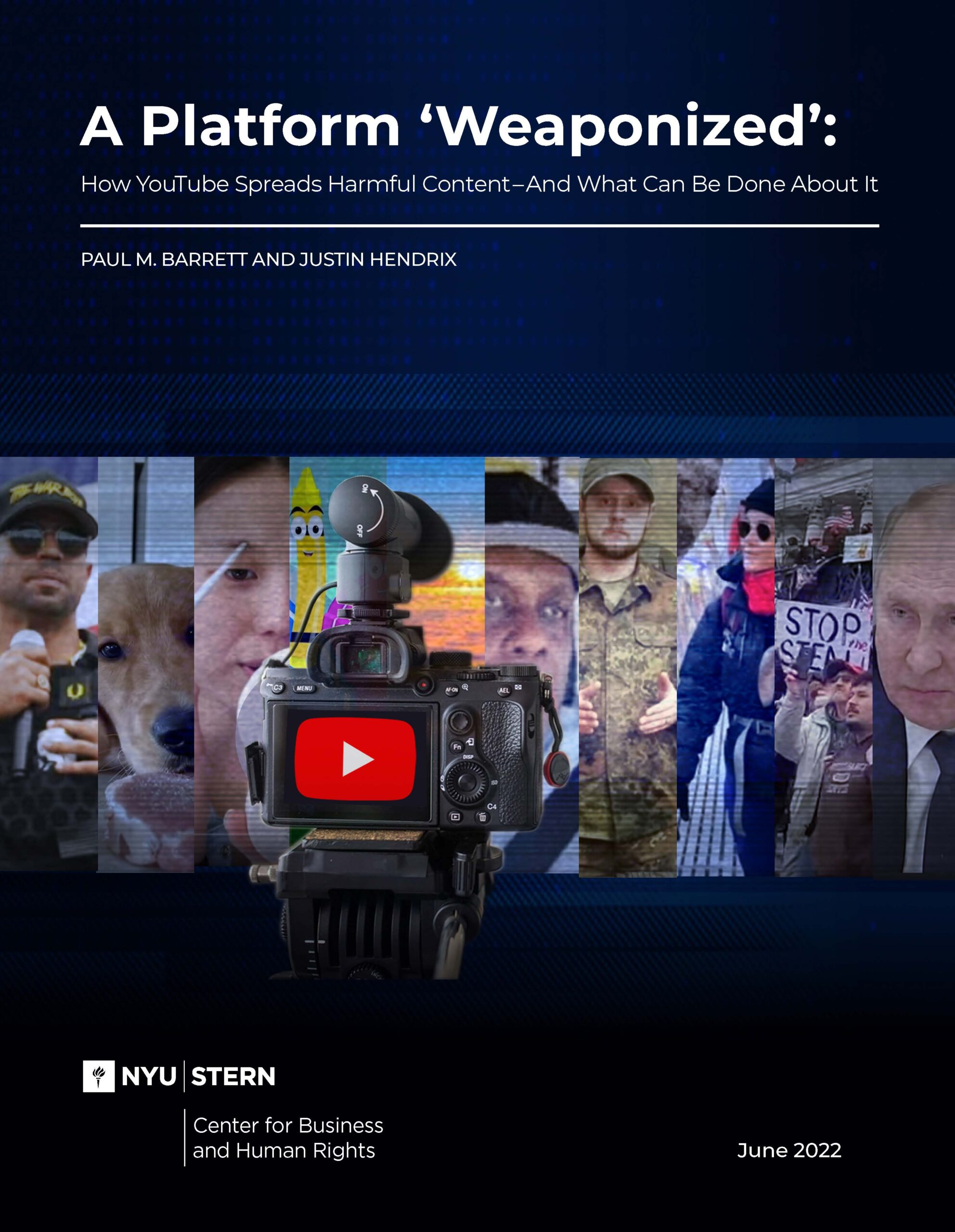
Racism isn't just a societal issue; it permeates digital platforms, and YouTube is no exception. To grasp how racism manifests online, it's crucial to explore a few key areas:
- Algorithmic Bias: YouTube's algorithms prioritize engagement, often leading to the amplification of controversial or sensational content. This can skew representation, promoting videos that perpetuate stereotypes while sidelining diverse voices.
- Content Moderation: The challenge of moderating a vast amount of content means that racist remarks or hate speech can sometimes slip through the cracks, leading to a toxic environment for users from marginalized communities.
- Creator Experiences: Many creators of color report facing systemic bias in terms of visibility and monetization. For instance, a Black creator might see less engagement on their video compared to a similar video by a white creator, even with comparable content quality.
To better understand this, let’s consider some examples:
| Issue | Example |
|---|---|
| Algorithmic Bias | Studies show that content featuring Black creators often gets less promotion than comparable white creators, affecting view counts. |
| Hate Speech | Instances where racist comments remain visible on a video, while non-offensive comments are swiftly removed. |
| Monetization Challenges | Creators of color frequently report demonetization on videos that discuss race-related topics, while similar content by others may remain monetized. |
It’s essential to recognize that while YouTube has made strides toward addressing these issues—like updating its community guidelines and improving moderation tools—challenges remain. The platform’s vastness and the complexity of human behavior mean that navigating racism in digital spaces is an ongoing battle. Understanding these layers is crucial as we explore the broader question of whether YouTube perpetuates racism.
Also Read This: Ideal Length for YouTube Outros Tips for Creating an Impactful Ending
3. Historical Context of Racism on YouTube
YouTube has come a long way since its inception in 2005. Initially celebrated as a platform for sharing videos and promoting creativity, it quickly became a space where various societal issues, including racism, could be discussed and contested. But the platform’s history reflects not only the voices of marginalized communities but also the troubling instances of racism that have surfaced over the years.
In the early days, many creators used YouTube to highlight issues of racial inequality and to share their experiences. Channels like Awkward Black Girl, created by Issa Rae, provided a fresh perspective on race and identity. However, as the platform grew, so did the darker aspects of its community. The anonymity that YouTube offers often emboldened users to express racist sentiments without accountability, leading to an increase in hate speech and discrimination.
Take the 2015 “#YouTubeSoRacist” campaign, for instance. This movement emerged in response to a string of racist comments and videos that were allowed to flourish on the platform. It was a wake-up call for both creators and viewers, prompting discussions about the role that YouTube plays in perpetuating racial stereotypes. Users began to realize that while YouTube had the potential to be a platform for diversity, it could also become a breeding ground for bigotry.
The historical context of racism on YouTube is not just confined to user-generated content. The platform itself has made several missteps, from algorithmic biases to the way it handles content moderation. These issues have roots in broader societal biases, showing that the platform reflects the very culture it serves. This intersection of technology and societal issues makes understanding YouTube's history crucial for anyone looking to explore its current controversies.
Also Read This: Finding and Listening to the To Kill a Mockingbird Audiobook on YouTube
4. Key Controversies Surrounding YouTube's Algorithm
One of the most contentious issues surrounding YouTube revolves around its algorithm—an intricate system that determines which videos are recommended to users. While it aims to enhance user engagement, there are growing concerns that it perpetuates racism and racial stereotypes.
For example, a significant controversy erupted in 2019 when numerous creators and analysts pointed out that the algorithm disproportionately recommended racist and extremist content. Studies revealed that users who watched videos about racial justice were often directed toward content that promoted racist ideologies. This was not merely an oversight; it was indicative of a bias in the algorithm that needed addressing.
- Case Study: Black Lives Matter - During the peak of the Black Lives Matter movement, many creators noticed that videos discussing racial injustice were being underreported or demonetized. Meanwhile, extremist channels promoting hate speech appeared to thrive.
- Content Moderation Issues - YouTube's policies on content moderation have been criticized for being inconsistent. Videos that discuss racism often face stricter scrutiny, while hateful content slips through the cracks.
- Algorithmic Bias - Research groups have highlighted that the algorithm tends to prioritize sensational and divisive content, which can often be racially charged.
These issues have led to calls for greater transparency and accountability from YouTube. Creators and advocates argue that the platform needs to actively work toward eliminating biases in its recommendation system. Without meaningful changes, the risk of further perpetuating racism remains high.
In summary, the controversies surrounding YouTube's algorithm are a microcosm of broader societal challenges regarding race and representation. Understanding these controversies is essential for anyone who wishes to grasp the complexities of racism on the platform and beyond.
Also Read This: How to Get YouTube to Auto Rotate on Mobile Devices for Better Viewing
5. Case Studies of Racist Content on YouTube
When diving into the murky waters of racism on YouTube, several notorious case studies stand out, highlighting the platform's challenges in moderating content. One prominent example is the 2017 incident involving PewDiePie, one of the platform’s biggest stars. During a live stream, he used a racial slur, sparking widespread outrage. PewDiePie later apologized, but the incident raised questions about the accountability of influencers and the impact their words can have on millions of impressionable viewers.
Another significant case is the 2019 controversy surrounding the YouTube channel “PragerU.” This channel, which promotes conservative viewpoints, had several videos flagged for promoting racist stereotypes, particularly in discussions about immigration and race. Critics argued that these videos perpetuated harmful narratives, leading to real-world consequences for marginalized communities. YouTube's algorithms also played a role, often promoting such content through recommendations, further amplifying its reach.
In addition to individual creators, there have been larger trends. For instance, the rise of “Alt-Right” content has been undeniable. Channels like “The Right Stuff” and “Red Ice TV” have gained traction, pushing white supremacist ideologies under the guise of political commentary. Although YouTube has policies against hate speech, the platform has faced criticism for its failure to promptly remove such content, allowing it to spread unchecked.
These case studies illustrate a broader issue: while YouTube has mechanisms to address hate speech, the execution often falls short. The platform’s reliance on algorithms, which prioritize engagement over content moderation, can inadvertently promote harmful material. This brings us to the next important question: how has YouTube responded to these criticisms?
Also Read This: Can YouTube Detect AI-Generated Content? What Creators Should Know
6. YouTube's Response to Accusations of Racism
YouTube's response to accusations of racism has been a mix of policy updates and public relations efforts. In recent years, the platform has taken steps to combat hate speech, announcing stricter content moderation policies aimed at reducing the visibility of racist and extremist content. For example, they expanded their hate speech policy to include a broader array of hateful behavior, specifically targeting content that promotes violence or hatred against individuals based on race, ethnicity, and other characteristics.
However, critics argue that these measures often feel reactive rather than proactive. For instance, after public outcries regarding specific incidents, YouTube has initiated campaigns to raise awareness about their community guidelines. They launched the #YouTubeCreateChange initiative, which aims to educate creators about hateful content and provide resources for promoting inclusivity. Yet, many believe these efforts are insufficient compared to the scale of the problem.
Moreover, YouTube has been criticized for the inconsistency in how they enforce these policies. Some high-profile channels receive warnings or are demonetized for racist content, while others continue to thrive despite violating guidelines. This inconsistency can create a perception of bias, suggesting that larger channels may be granted leniency due to their popularity and revenue generation.
In response to the backlash, YouTube has also increased its investment in human moderators to better handle flagged content. Although this is a step in the right direction, critics argue that the sheer volume of uploads makes it nearly impossible to monitor everything effectively. This leads to delays in action against harmful content, allowing it to circulate widely before being addressed.
Ultimately, YouTube's journey towards fostering a more inclusive platform remains ongoing. As the platform continues to grapple with allegations of racism, the effectiveness of their strategies will be scrutinized, especially in a climate where social media's role in shaping discourse is more critical than ever.
Also Read This: How to Download MP3 of YouTube Video for Music Lovers
7. The Role of Creators and Community in Addressing Issues
Creators on YouTube are more than just entertainers; they are also influential voices in the conversation about race and social justice. Many have used their platforms to shed light on issues of racism and inequality, sparking discussions that extend beyond the digital realm. But how exactly do these creators and their communities play a role in addressing the platform's controversies?
1. Amplifying Voices: Creators, particularly those from marginalized backgrounds, have the power to share their personal experiences and perspectives. By doing so, they can highlight systemic issues and encourage their audiences to engage with these topics. For instance, creators like Franchesca Ramsey have tackled racial stereotypes and discrimination through their content, fostering a greater understanding among viewers.
2. Community Building: Many YouTube channels cultivate supportive communities that encourage dialogue about racism and social justice. These spaces allow fans to share their thoughts and experiences, creating a collective sense of purpose. Channels like ContraPoints engage viewers in deep conversations about identity, race, and ethics, which not only enlighten individuals but also inspire collective action.
3. Collaboration and Campaigns: Creators often collaborate on projects that address social issues, such as anti-racism campaigns or charity initiatives. A notable example is the #YouTubeBlack campaign, which seeks to uplift Black creators and promote diversity on the platform. These collaborative efforts can drive significant change, encouraging more creators to join in the fight against racism.
4. Mobilizing for Change: Some creators go beyond discussion and actively mobilize their audiences to participate in social justice movements, whether that’s through fundraising for charities or organizing protests. Their influence can turn a simple video into a call to action, demonstrating that the YouTube community can be a powerful force for change.
In essence, the role of creators and their communities is crucial in addressing racism on YouTube. They not only raise awareness but also create an environment where discussions can flourish, ultimately shaping a more informed and empathetic audience.
8. Future Directions for YouTube and Social Responsibility
As YouTube continues to grow, the need for social responsibility becomes even more pressing. The platform faces challenges that require thoughtful strategies for fostering inclusivity and minimizing harm. Here are some potential future directions for YouTube in addressing these critical issues:
1. Enhanced Moderation Policies: YouTube needs to refine its content moderation strategies to identify and remove hate speech more effectively. This could involve advanced AI algorithms and increased human oversight to ensure that harmful content is addressed swiftly and fairly.
2. Transparency in Algorithms: The recommendation algorithm plays a significant role in shaping viewers' experiences. Moving forward, YouTube could prioritize transparency, allowing users to understand how algorithms curate content and how this might perpetuate racial biases. Open discussions about these algorithms can help build trust and accountability.
3. Support for Marginalized Creators: YouTube should continue to invest in initiatives aimed at supporting creators from diverse backgrounds. This includes funding for projects that promote minority voices and collaborations that highlight underrepresented communities.
4. Educational Initiatives: Launching educational campaigns that focus on media literacy and the impacts of racism can empower viewers to think critically about the content they consume. By fostering a more informed audience, YouTube can contribute to a culture of accountability and empathy.
5. Community Engagement: Actively involving the community in discussions about policy changes and content moderation can lead to a more inclusive platform. YouTube could host forums or surveys to gather feedback from users, especially those from marginalized groups, ensuring that their input shapes the platform's direction.
Ultimately, the future of YouTube in relation to social responsibility hinges on its willingness to acknowledge its shortcomings and actively work towards fostering a more inclusive environment. By prioritizing these changes, YouTube can become not just a platform for entertainment, but a beacon of social change.
 admin
admin