Welcome to the world of Getty Images, where visuals speak volumes! In today’s digital landscape, stunning images are pivotal for storytelling, branding, and engagement. But here’s the twist: while an image can capture attention, it’s the caption that often delivers the message. Well-crafted captions provide context, spark curiosity, and enhance SEO, making them essential for anyone looking to maximize image impact. Let’s dive into why captions matter and how to make them shine!
Understanding Getty Images' Guidelines for Captions
When it comes to writing captions for Getty Images, adhering to specific guidelines can set your content apart. Here’s a breakdown of what you need to keep in mind:
- Be Clear and Concise: Captions should clearly describe what’s happening in the image. Aim for brevity while delivering essential information. For example, instead of saying, “A group of people enjoying a sunny day at the park,” you could say, “Friends picnic in the park under a sunny sky.”
- Use Relevant Keywords: Incorporating relevant keywords helps improve searchability. Think about what terms users might search for related to your image. For instance, if your image features a bustling market, include keywords like “local market,” “fresh produce,” or “community.”
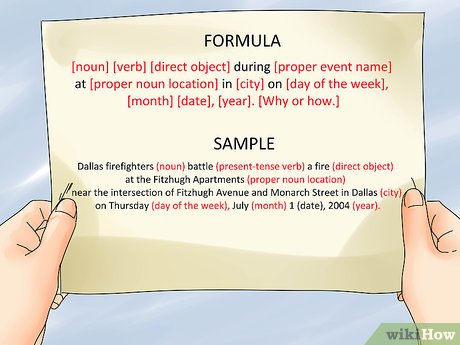
- Context Matters: Provide background information when necessary. If the image captures a significant event, include the who, what, when, and where. For example, “Local artists showcase their work at the Summer Arts Festival in downtown Springfield, June 2023.”
- Stay Authentic: Authenticity resonates with viewers. Use a voice that matches the image’s tone, whether it’s playful, serious, or informative. For example, a whimsical image of a cat could have a caption like, “Just another day in the life of a professional napper!”
- Follow Ethical Standards: Make sure your captions respect copyright and privacy rights. Always credit photographers where required and avoid making assumptions about the subjects in the images.
By adhering to these guidelines, you’ll create captions that not only complement the visual content but also engage your audience effectively. Remember, in the realm of Getty Images, a well-written caption can elevate a great image to an extraordinary one!
Also Read This: Getty Images Coupon Code: Discounts for Your Stock Image Purchases
3. Crafting Engaging and Descriptive Captions
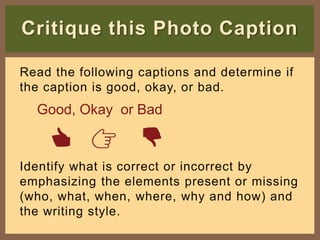
When it comes to writing image captions for Getty Images, the goal is not just to describe what’s in the picture but to engage your audience. Captions should tell a story and provide context that resonates with viewers. Here are a few tips to help you craft captions that are not only descriptive but also engaging:
- Be Specific: Instead of saying "A dog playing," you might say "A golden retriever joyfully catching a frisbee in a sunny park." This paints a vivid picture and adds emotional depth.
- Incorporate Emotion: Connecting with the viewer's feelings can make your caption more relatable. For example, “A child’s face lights up as she meets her new puppy, capturing the magic of first-time experiences.”
- Ask Questions: Engage your audience by prompting them to think. “What would you do if you stumbled upon this serene lake at sunset?” This invites interaction and deeper contemplation.
- Use Active Voice: Active voice makes your captions more dynamic. Instead of “The car was driven by a woman,” try “A woman speeds down the highway in her vintage convertible.”
Remember, the best captions add value beyond what the image conveys at first glance. They can explain the significance, provide background information, or even convey a narrative. For instance, if your image features a local farmer harvesting crops, a caption like “Meet John, a third-generation farmer, as he brings in the harvest that feeds our community” adds context and a human element that might resonate more with viewers.
Finally, keep in mind the tone and style of Getty Images. Your captions should align with their branding—professional yet approachable. Practice makes perfect, so don’t hesitate to revise your captions until they feel just right. Engaging captions can transform a simple image into a compelling story that captures and holds the audience's attention.
Also Read This: Understanding iStock Photos and Their Functionality
4. Using Keywords Effectively in Your Captions
When writing image captions, incorporating keywords is crucial for visibility, especially on platforms like Getty Images where searchability is key. But how do you use keywords effectively without sounding forced? Here are some strategies:
- Understand Your Audience: Knowing what terms potential buyers might search for is essential. If you're showcasing a winter landscape, terms like "snowy mountains," "winter wonderland," or "frozen lake" could be valuable.
- Integrate Naturally: Keywords should flow with the caption rather than disrupt the narrative. For instance, instead of cramming “beach sunset” at the beginning, weave it into a sentence: “As the day ends, the beach sunset casts a warm glow over the horizon.”
- Use Variations: Don’t just focus on one keyword. Synonyms and related phrases can broaden your reach. For example, if targeting “happy family,” consider also using “joyful family” or “family fun” within your captions.
- Optimize for Search Engines: Think about how search engines work. Including keywords in the first 25 words of your caption can improve search rankings. For example, “A group of friends enjoying a picnic in Central Park showcases the essence of summer fun in the city.”
Additionally, consider the context of the image. If your image depicts a specific event or subject, ensure that the keywords reflect that. For example, if it's a local festival, keywords like “community festival,” “local culture,” or “celebration” would be pertinent. This strategy not only enhances discoverability but also attracts the right audience looking for specific content.
In summary, a well-crafted image caption is a blend of engaging storytelling and effective keyword usage. By paying attention to both elements, you’ll not only enhance the viewer’s experience but also improve the visibility of your images in search results. So, keep practicing and refining your skills—your captions will shine like never before!
Also Read This: Mobile Photos and Alamy: Submission Guidelines and Quality Considerations
5. Examples of High-Quality Getty Image Captions
Writing effective captions for Getty Images can elevate your photographs from mere visuals to storytelling pieces. Let’s explore some examples that hit the mark.
Example 1: Adventure in the Mountains
“A hiker pauses to take in the breathtaking view from the summit of Mount Rainier, surrounded by vibrant wildflowers and the crisp, clear air of a sunny summer day.”
This caption paints a picture, giving context and evoking emotions through descriptive language.
Example 2: Cultural Celebration
“Participants in traditional dress dance joyfully at the annual Diwali festival in New Delhi, celebrating the triumph of light over darkness.”
This example highlights the event's cultural significance, creating a connection with the audience.
Example 3: Everyday Life
“A local barista crafts a latte with intricate foam art at a cozy coffee shop in Portland, Oregon, embodying the city’s vibrant café culture.”
This caption not only describes the action but also encapsulates the ambiance and personality of the location.
When crafting your own captions, remember to keep them engaging yet informative. Here’s a quick checklist for your captions:
- Keep it concise yet descriptive.
- Include relevant details about the subject.
- Use evocative language that connects with viewers.
- Highlight the emotions or context behind the image.
Also Read This: How to Tell if Someone Bought Your Getty Image Tracking Your Sales and Licensing
6. Common Mistakes to Avoid When Writing Captions
Even the most experienced writers can stumble when it comes to crafting image captions. Here are some common pitfalls to watch out for:
Mistake 1: Being Too Vague
Captions that lack detail leave viewers guessing. Instead of saying, “A person at an event,” try “A young woman captures the moment on her phone during a lively street fair in New Orleans.”
Mistake 2: Ignoring Context
Your caption should provide context. Avoid phrases like “This is a photo of…” and instead focus on what the viewer is seeing and why it matters.
Mistake 3: Overloading with Keywords
While it’s tempting to stuff in keywords for SEO purposes, this can make your captions sound unnatural. Aim for a balance. Use keywords where they fit naturally without compromising readability.
Mistake 4: Forgetting the Audience
Always consider who will be viewing the image. Tailor your language to resonate with your target audience. A caption for a fashion image might differ significantly from one accompanying a historical photo.
Mistake 5: Neglecting Proofreading
Typos or grammatical errors can undermine credibility. Always double-check your captions to ensure they are polished and professional.
By avoiding these common mistakes, you’ll enhance the impact of your captions and ensure they complement your images beautifully. So, take your time, be thoughtful, and let your captions shine!
Also Read This: How Does Getty Images File for Copyright: A Look into Getty's Legal Process
7. Tools and Resources for Caption Writing
Crafting the perfect image caption can be a bit of a challenge, but fortunately, there are plenty of tools and resources available to help you sharpen your caption-writing skills. Here’s a quick rundown of some of the best tools you might want to consider:
- Thesaurus.com: Sometimes the right word is just out of reach. Using a thesaurus can help you find synonyms that better match the tone and emotion you want to convey.
- Grammarly: This handy tool not only checks for grammar and spelling mistakes but also offers suggestions for improving clarity and engagement. Perfect for polishing those captions!
- Hemingway Editor: Want to make sure your captions are easy to read? This tool highlights complex sentences and suggests simpler alternatives, ensuring your captions remain clear and concise.
- Canva Caption Generator: If you're ever stuck, Canva's caption generator can provide creative ideas based on the type of image you’re working with. It’s a great way to jumpstart your brainstorming process.
- Getty Images’ Own Resources: Don’t forget to explore the resources provided by Getty Images itself! They often offer guidelines and examples tailored specifically to their platform, which can be tremendously helpful.
In addition to these tools, it’s worth checking out online courses or webinars focused on photography and caption writing. Platforms like Skillshare and LinkedIn Learning often have courses specifically aimed at enhancing your visual storytelling skills. Remember, the more you practice and learn, the better your captions will become!
8. Conclusion: Enhancing Your Getty Images with Effective Captions
In the world of visual content, captions play a crucial role in enhancing the viewer's experience and understanding. A well-crafted caption can transform a simple image into a compelling story, drawing the audience in and encouraging engagement.
By following the best practices we've discussed—like being descriptive, incorporating relevant keywords, and maintaining brand voice—you’ll not only improve your own skills but also increase the discoverability of your images on Getty. Think of captions as the bridge between the image and the viewer; they provide context, evoke curiosity, and spark conversation.
In conclusion, don’t underestimate the power of a great caption. Whether you’re a professional photographer, a marketer, or just someone sharing their favorite snaps, investing time in writing effective captions can make a significant difference. So, grab your favorite tool, get creative, and start enhancing your Getty Images today!
 admin
admin