LinkedIn has become a powerful tool for job seekers and recruiters alike. One of the key features that can enhance your job search is the ability to set and edit your job preferences. These preferences allow you to communicate your career goals, desired roles, and location flexibility to potential employers. In this guide, we’ll walk you through the ins and outs of editing your job preferences on LinkedIn, ensuring you stand out in the job market.
Why Editing Job Preferences Matters
Editing your job preferences on LinkedIn is more than just filling in a form; it’s about shaping your professional identity and guiding recruiters to the right opportunities. Here’s why it’s crucial:
- Visibility to Recruiters: When you update your job preferences, recruiters actively searching for candidates with your qualifications can find you more easily. This visibility can lead to exciting job offers that align with your career aspirations.
- Tailored Opportunities: By specifying what roles you’re interested in and your preferred locations, LinkedIn can match you with job listings that genuinely fit your criteria, saving you time in your job hunt.
- Statistical Edge: According to LinkedIn data, users who keep their job preferences up-to-date are 40% more likely to receive connection requests and job inquiries. That's a statistic worth considering!
Moreover, job preferences help streamline communication with recruiters. When they reach out to you, they already have a clear understanding of what you’re seeking, making discussions more productive and focused.
Finally, regularly updating your preferences can reflect your evolving career goals. Whether you’re looking to pivot into a new industry, explore remote work, or take on leadership roles, keeping your preferences current ensures you’re putting your best foot forward in the dynamic job market.
Also Read This: Finding All Your LinkedIn Posts: A Quick Guide for Users
3. How to Access Your LinkedIn Job Preferences
Accessing your job preferences on LinkedIn is a straightforward process. With just a few clicks, you can tailor your job search to better reflect your interests and needs. Let’s break it down step-by-step.
First, make sure you are logged into your LinkedIn account. Once you're in, look for your profile picture at the top right corner of the page. Clicking on that will reveal a dropdown menu. From here, select "View Profile". This will take you directly to your profile page, where all your professional information is displayed.
Next, you’ll want to locate the "Open to Work" section. This is typically found just below your profile picture. If you haven't set this up yet, there will be a prompt that says "Add profile section." Click on this and select "Intro." This is where your job preferences will be housed.
Your job preferences will give you options to specify your desired job title, location, and other important details. LinkedIn allows you to add multiple job titles and locations, which is especially helpful if you’re open to various roles or willing to relocate.
Remember, updating your job preferences not only helps you find suitable opportunities but also signals to employers that you are actively searching for new roles. So, take a moment to ensure this section is accurate and reflects what you’re looking for in your next job!
Also Read This: How to Become a LinkedIn Influencer and Grow Your Professional Brand
4. Step 1: Navigating to Your Profile Settings
Now that you know how to access your job preferences, let’s delve into the first step of navigating to your profile settings. This is crucial because your profile settings are where you can manage all aspects of your LinkedIn experience.
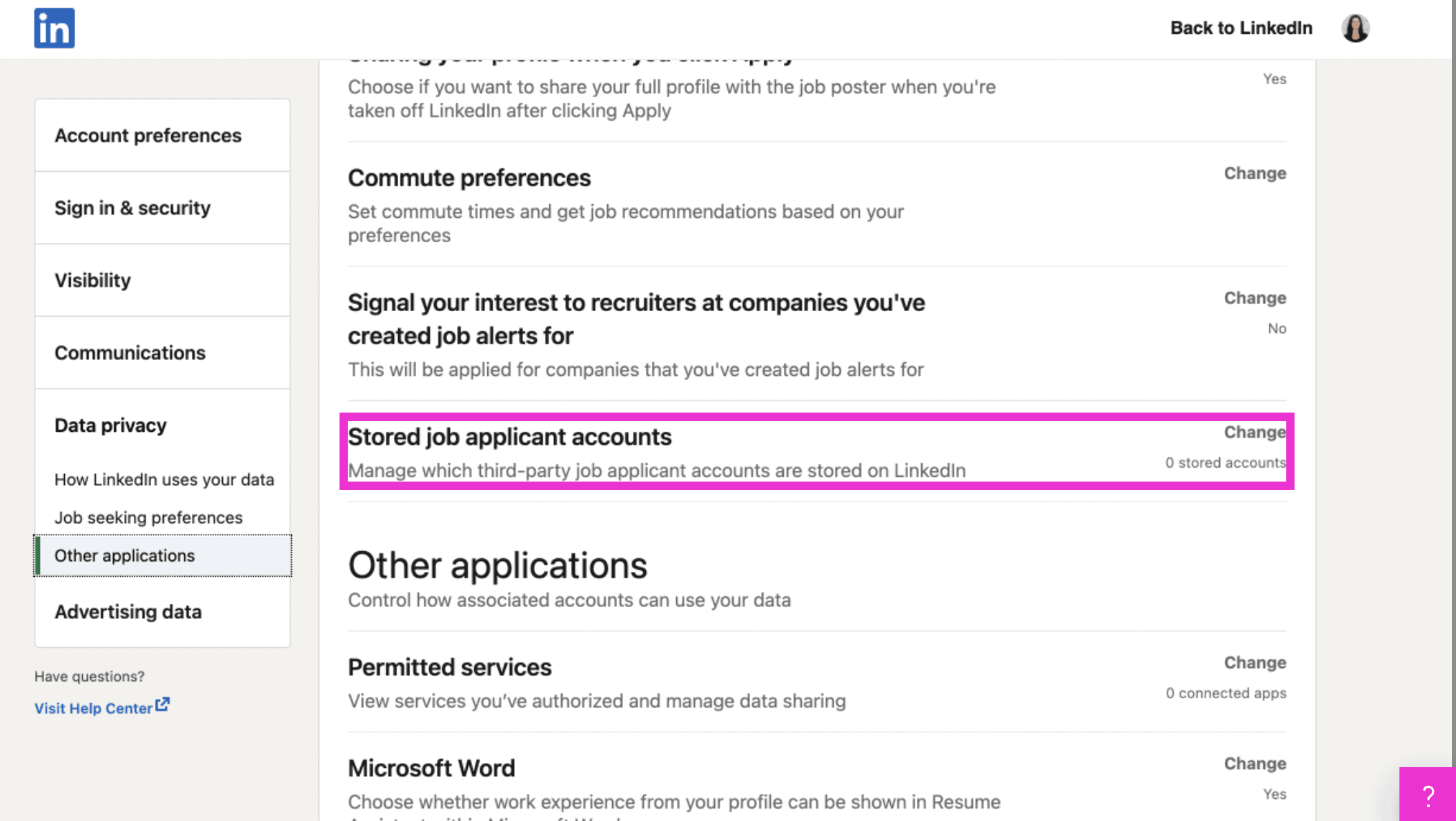
To start, once you're on your LinkedIn homepage, look towards the top right corner again. You’ll find an icon that resembles a small picture of a person—this is your profile icon. Click on it, and you’ll see a menu appear. From this menu, select "Settings & Privacy." This section is your control center for everything LinkedIn-related!
Within "Settings & Privacy,"strong> you’ll see several tabs on the left-hand side of the screen. The options include "Account," "Privacy," and "Communications." Click on "Privacy,” as this is where you can adjust settings related to your job preferences.
Scroll down until you find the section that mentions "Job Seeking Preferences." Here, you can manage who sees your job preferences, including whether you want to be visible to recruiters. This setting is particularly important if you wish to keep your job search discreet while still being open to new opportunities.
Once you’ve adjusted these settings, make sure to save your changes. This step is often overlooked but is essential to ensure that your preferences are updated correctly.
Navigating to your profile settings may seem simple, but it’s a vital step in ensuring that your LinkedIn profile aligns with your job search goals. So, take a minute to explore these settings and make the necessary adjustments!
Also Read This: How to Post Images on LinkedIn Like a Pro
5. Step 2: Finding the Job Preferences Section
Alright, you’ve made it this far! Now, let’s dive into how to find the Job Preferences section on LinkedIn. This step is crucial because it’s where the magic happens—where you tailor your job search to suit your specific needs.
First, log into your LinkedIn account. Once you're on your home page, look for your profile picture in the top right corner. Click on it, and you'll be taken to your profile.
From your profile page, scroll down a bit until you see a section labeled Open to Work. If you’ve never set your job preferences before, this section might not be visible right away. Don’t worry; we’ll get it up and running!
To locate the Job Preferences section:
- Look for the Open to Work button, which typically appears just below your profile picture.
- If you don’t see it, click on the Add Profile Section button, which is usually located near your profile photo.
- Once you click that, a dropdown menu will appear. From here, select Recommended and then choose Open to Work.
Voila! You've found the Job Preferences section. Here, you can set your job search visibility and tailor it to your desired roles. Now let’s move on to the exciting part—updating your job preferences.
Also Read This: How to Search for and Connect with Past Employees on LinkedIn
6. Step 3: Updating Your Job Preferences
Now that you’ve located the Job Preferences section, it’s time to update it to reflect what you’re really looking for in your next role. This is where you can be specific about the jobs you want, making it easier for recruiters to find you.
When you click on the Edit option within the Open to Work section, you'll see a variety of fields you can fill out. Let’s break it down:
- Job Titles: List the specific job titles you’re interested in. For example, if you’re seeking a role in marketing, you might include titles like Marketing Manager, Social Media Specialist, or Content Strategist.
- Locations: Specify where you’d like to work. You can enter a city, region, or even select options for remote work. This is crucial if you’re open to relocating or working from home.
- Job Types: Choose the types of employment you’re interested in—full-time, part-time, contract, or internship. This helps recruiters understand your availability and flexibility.
- Start Date: Indicate when you're available to start. This could be immediate, in one month, or even a more flexible timeline.
- Salary Expectations: If you feel comfortable, you can include your salary expectations. This can help streamline the hiring process and attract jobs that meet your financial needs.
After filling out these fields, take a moment to review your preferences. Make sure everything is accurate and represents what you truly want. Once you’re happy with it, click Save to apply the changes.
And there you have it! Your job preferences are now updated, making it easier for recruiters to find you and understand what you’re looking for. Remember, keeping this section updated is key—so revisit it whenever your job situation changes.
Also Read This: What to Say to a Recruiter on LinkedIn After Submitting a Job Application
7. Step 4: Saving and Reviewing Your Changes
Now that you've meticulously adjusted your job preferences on LinkedIn, it’s time to save those changes and ensure everything looks just right. This step is crucial, as it allows you to refine your job search and make sure your profile aligns perfectly with your career goals.
First things first, once you've made all the desired adjustments, look for the “Save” button, typically located at the bottom or the top right of the job preferences section. Clicking this button ensures that all your hard work is not lost!
But wait, don’t just click and forget about it! After saving, take a moment to review your changes. Here’s how to do that:
- Check Your Settings: Go back through each category you’ve edited—job types, locations, and industries. Ensure that everything reflects your desired job criteria.
- Preview Your Profile: Sometimes, going back to your profile and viewing it as others would can provide insights. Check how your job preferences appear to recruiters or connections.
- Adjust Notifications: If you enabled notifications for job postings that match your preferences, verify that these settings are active. You want to be the first to know about opportunities that catch your eye!
Lastly, don’t hesitate to check back regularly. As your career evolves or as you discover new interests, you might find yourself needing to tweak these preferences again. Having an up-to-date profile is vital, so consider setting a reminder to revisit these settings every few months!
8. Best Practices for Optimizing Job Preferences
When it comes to setting your job preferences on LinkedIn, a few best practices can help you stand out to potential employers. These tips can maximize your visibility and ensure you're matched with the most relevant opportunities.
- Be Specific: Vague preferences can lead to missed opportunities. Specify the type of roles you’re interested in. For instance, instead of just “Marketing,” try “Digital Marketing Manager” or “Content Marketing Specialist.” This specificity helps recruiters find you more easily.
- Use Keywords: Think about the keywords that recruiters might use to find candidates for your desired roles. Incorporate these into your job preferences and profile summary. This will enhance your chances of appearing in search results.
- Location Matters: If you’re open to remote work, indicate that in your preferences. However, if you have a specific location in mind, make sure it's accurately listed. This will help you connect with local opportunities that fit your criteria.
- Stay Updated: Regularly revisit your preferences, especially after completing new projects or gaining additional skills. Updating your profile not only reflects your current interests but also showcases your growth in the industry.
- Engage with Content: One way to boost your profile's visibility is by engaging with posts related to your field. Commenting on relevant content or sharing articles can signal your interest in specific roles and industries to recruiters.
By following these best practices, you not only streamline your job search but also increase the likelihood of being contacted by recruiters who are looking for someone with your unique skills and interests. Remember, your LinkedIn profile is your digital resume—make it shine!
 admin
admin