In today's digital landscape, video content reigns supreme. With platforms like YouTube and Dailymotion, creators have incredible opportunities to reach diverse audiences. However, managing multiple platforms can be daunting. That’s where cross-platform sharing comes in! By uploading the same videos to both YouTube and Dailymotion, you can maximize your reach, save time, and streamline your content strategy. Let’s dive into how this works and why it’s beneficial for content creators.
Understanding YouTube and Dailymotion
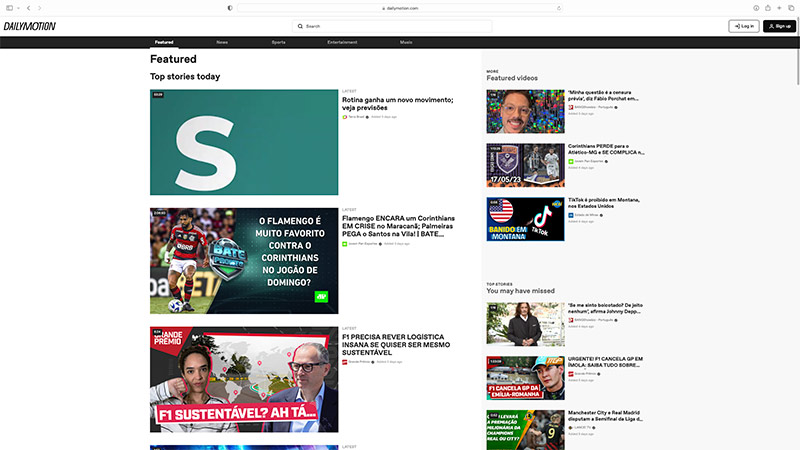
Before jumping into the mechanics of cross-platform sharing, it's essential to understand the two giants in the video-sharing arena: YouTube and Dailymotion. Both platforms offer unique features that cater to different audiences and content types.
YouTube:
- Audience Reach: With over 2 billion users, YouTube is the largest video-sharing platform, making it ideal for reaching a vast audience.
- Monetization Options: Creators can earn through ads, channel memberships, and Super Chats, giving you financial incentives to produce content.
- Algorithm Benefits: YouTube’s recommendation algorithm favors engaging content, which can help your videos go viral.
- Community Engagement: Features like comments, likes, and subscriptions foster a sense of community with your audience.
Dailymotion:
- Creative Freedom: Dailymotion offers a more relaxed approach to content guidelines, which can be appealing for niche creators.
- High-Quality Streaming: Known for its high-resolution videos, Dailymotion is a go-to for users who prioritize quality.
- Less Competition: With fewer creators compared to YouTube, your content may stand out more easily on Dailymotion.
- International Focus: Dailymotion has a strong presence in Europe and other regions, making it perfect for targeting specific international audiences.
Both platforms have their unique strengths and weaknesses, so understanding these can help you tailor your content strategy. By uploading the same videos to both, you can leverage the strengths of each platform while minimizing the workload involved in content creation.
In conclusion, cross-platform sharing is a powerful strategy for video creators looking to expand their reach and engage with diverse audiences. Whether you choose to focus on YouTube, Dailymotion, or both, understanding what each platform offers will help you create content that resonates well with your viewers.
Also Read This: Guide to Downloading Subtitles from Dailymotion
3. Benefits of Uploading Videos on Multiple Platforms
Uploading videos to multiple platforms like YouTube and Dailymotion can be a game changer for content creators. Why stick to just one when you can broaden your audience reach? Here are some compelling benefits:
- Wider Audience Reach: Different platforms attract different demographics. YouTube is the giant with billions of users, while Dailymotion has a more niche audience. By uploading to both, you cater to diverse viewer preferences, maximizing your reach.
- Increased Engagement: Engaging with your audience on multiple platforms can foster a more robust community. For example, you might find that your viewers on Dailymotion engage more in the comments compared to YouTube. This interaction can offer valuable feedback and build loyalty.
- Cross-Promotion Opportunities: You can leverage your presence on one platform to drive traffic to the other. For instance, you can encourage your YouTube subscribers to check out your Dailymotion channel for exclusive content, creating a seamless viewer experience.
- Content Longevity: Different platforms have different lifespans for content. A video on YouTube may fade into the background over time, while on Dailymotion, it might gain traction later. By diversifying, you give your content a longer shelf life.
- Revenue Diversification: Imagine being able to earn from both platforms. YouTube has ad revenue, while Dailymotion offers monetization options too. By spreading your videos, you can tap into multiple income streams.
In summary, uploading videos to both YouTube and Dailymotion can significantly enhance your visibility, engagement, and potential earnings. Plus, who doesn’t love having options?
Also Read This: How to Do Juggling in Football on Dailymotion: Master Football Juggling Tricks
4. Key Differences Between YouTube and Dailymotion
While both platforms serve similar purposes, they have unique features that set them apart. Understanding these differences can help you decide where to focus your efforts:
| Feature | YouTube | Dailymotion |
|---|---|---|
| User Base | Over 2 billion users globally | About 250 million users |
| Video Length | Up to 12 hours (depending on account verification) | Up to 60 minutes for most users |
| Monetization | Ad revenue, memberships, Super Chats | Ad revenue, Dailymotion Partner Program |
| Content Guidelines | Strict guidelines with automated filters and community reporting | More lenient, but with a focus on quality |
| Content Discovery | Advanced algorithm-driven recommendations | Manual curation and thematic channels |
To sum it up, while YouTube offers a vast audience and robust monetization options, Dailymotion provides a more curated experience with a smaller, but potentially more engaged, audience. Depending on your goals, it may be beneficial to tailor your content strategy for each platform, maximizing the unique advantages they offer.
Also Read This: How to Sew a Barbie Dress with Dailymotion’s Crafting Guide
5. Tips for Successful Cross-Platform Video Uploads
Cross-platform sharing can be a game changer for content creators, but it does come with its own set of challenges. Here are some friendly tips to ensure that your videos shine on both YouTube and Dailymotion:
- Understand Platform Differences: Each platform has its own audience and algorithms. YouTube thrives on engagement and SEO, while Dailymotion has a more niche audience. Tailor your content slightly based on where you’re uploading.
- Maintain Video Quality: Always upload high-quality videos. Both platforms support HD content, so use 1080p or higher. Viewers appreciate clear, crisp visuals, and it sets a professional tone.
- Consistent Branding: Use similar thumbnails, titles, and descriptions. This not only reinforces your brand identity but also helps viewers recognize your content across platforms. A great thumbnail can be the difference between a click and a scroll!
- Engage with Your Audience: Encourage comments and discussions on both platforms. Responding to viewers can create a community feeling, making them more likely to return for future uploads.
- Monitor Analytics: Keep an eye on your analytics for both platforms. Understanding which videos perform better can guide your content strategy. For example, if a tutorial does well on YouTube but flops on Dailymotion, consider why that might be.
By following these tips, you're not just uploading videos; you're crafting a cohesive viewing experience that resonates across different audiences.
Also Read This: Learn to Create a Niqab Using a Scarf: Tutorials on Dailymotion
6. Best Practices for Optimizing Videos for Both Platforms
Optimizing your videos for both YouTube and Dailymotion is crucial for maximizing reach and engagement. Here’s how to do it effectively:
- Title and Description: Use engaging, keyword-rich titles that reflect your content. For instance, instead of “My Travel Vlog,” try “Exploring the Hidden Gems of Italy: A Travel Vlog.” This not only grabs attention but also helps with searchability.
- Tags and Categories: Use relevant tags on both platforms. While YouTube allows up to 500 characters in tags, Dailymotion has a limit. Choose your tags wisely to encompass the main themes of your video.
- Thumbnails: Design eye-catching thumbnails that maintain a consistent style. Tools like Canva can help you create visually appealing thumbnails that stand out in crowded feeds.
- Subtitles and Closed Captions: Adding subtitles can enhance accessibility and engagement. They cater to viewers who are deaf or hard of hearing, and they can boost watch time in non-native language audiences.
- Call to Action: Always include a clear Call to Action (CTA) at the end of your videos. Whether it’s subscribing to your channel or watching another video, CTAs can significantly drive viewer interaction.
Implementing these best practices will not only make your videos more appealing but also increase your chances of being discovered by new audiences on both platforms!
Also Read This: How to Make a Plane with Paper: Dailymotions Craft Guide
7. Common Challenges and How to Overcome Them
When it comes to uploading the same videos to both YouTube and Dailymotion, you might encounter a few bumps along the road. Let’s dive into some common challenges and how to tackle them!
1. Video Quality Issues
One of the main concerns is maintaining video quality across different platforms. YouTube and Dailymotion have different encoding methods, which can affect how your video looks once uploaded. To combat this, always upload in the highest quality format you have. Use a resolution of at least 1080p and ensure your bitrate is optimized for both platforms.
2. Content ID Claims
If your videos include copyrighted materials—like music or clips—you may face Content ID claims. YouTube is particularly strict about this. To avoid issues, consider using royalty-free music or obtaining proper licenses before uploading. Always check the copyright policies of both platforms to stay compliant!
3. Time Management
Juggling uploads to multiple platforms can be time-consuming. Create a content calendar to plan your uploads effectively. This way, you can allocate specific times for creating and editing videos, as well as scheduling uploads on both YouTube and Dailymotion. Tools like Hootsuite or Buffer can help manage your posts more efficiently.
4. Platform-Specific Optimization
Each platform has its nuances when it comes to metadata. You may need to tweak your titles, descriptions, and tags for better SEO performance. For example, YouTube favors more keyword-rich titles, while Dailymotion might benefit from a more straightforward approach. Take some time to research the best practices for each platform!
5. Audience Engagement Differences
Understanding your audience on each platform can be tricky. YouTube users might engage with longer content, while Dailymotion viewers may prefer shorter videos. Monitor your analytics to see what resonates with each audience and adjust your content strategy accordingly. Don’t hesitate to ask for feedback from your viewers!
8. Conclusion: Maximizing Your Reach with Cross-Platform Sharing
In today’s digital landscape, cross-platform sharing is not just a trend; it’s a necessity for maximizing your reach! By uploading the same videos to both YouTube and Dailymotion, you tap into two distinct audiences, increasing your chances of gaining followers and engagement.
Remember, it’s all about strategy. Here’s a quick recap of how to make the most of your cross-platform sharing:
- Leverage Unique Features: Utilize each platform’s distinct features. For instance, YouTube’s playlists can help organize your content, while Dailymotion’s community-based features can foster viewer interaction.
- Consistent Branding: Keep your branding consistent across platforms. Use the same logo, colors, and descriptions to create a recognizable identity that viewers can trust.
- Monitor Analytics: Regularly check your analytics to understand where your traffic is coming from. This will help you tailor your content and promotional strategies effectively.
- Engage with Your Audience: Respond to comments and engage with viewers on both platforms. Building a community will increase loyalty and encourage sharing.
In conclusion, while there are challenges to uploading the same videos to both YouTube and Dailymotion, the potential benefits far outweigh them. With careful planning and strategic execution, you can expand your audience, enhance your content’s visibility, and ultimately grow your brand. So, grab that video content, and start sharing it across platforms today!
 admin
admin