Ah, YouTube—the platform that has transformed how we consume video content. But have you ever stopped to think about the dislike button? It’s not just a simple thumbs down; it can reveal a lot about viewer engagement and preferences. With recent changes, the way we view dislikes has evolved, raising questions about viewer privacy and the impact on creators. Let’s dive into the nitty-gritty of YouTube dislikes and why they matter.
Why Dislikes Matter on YouTube
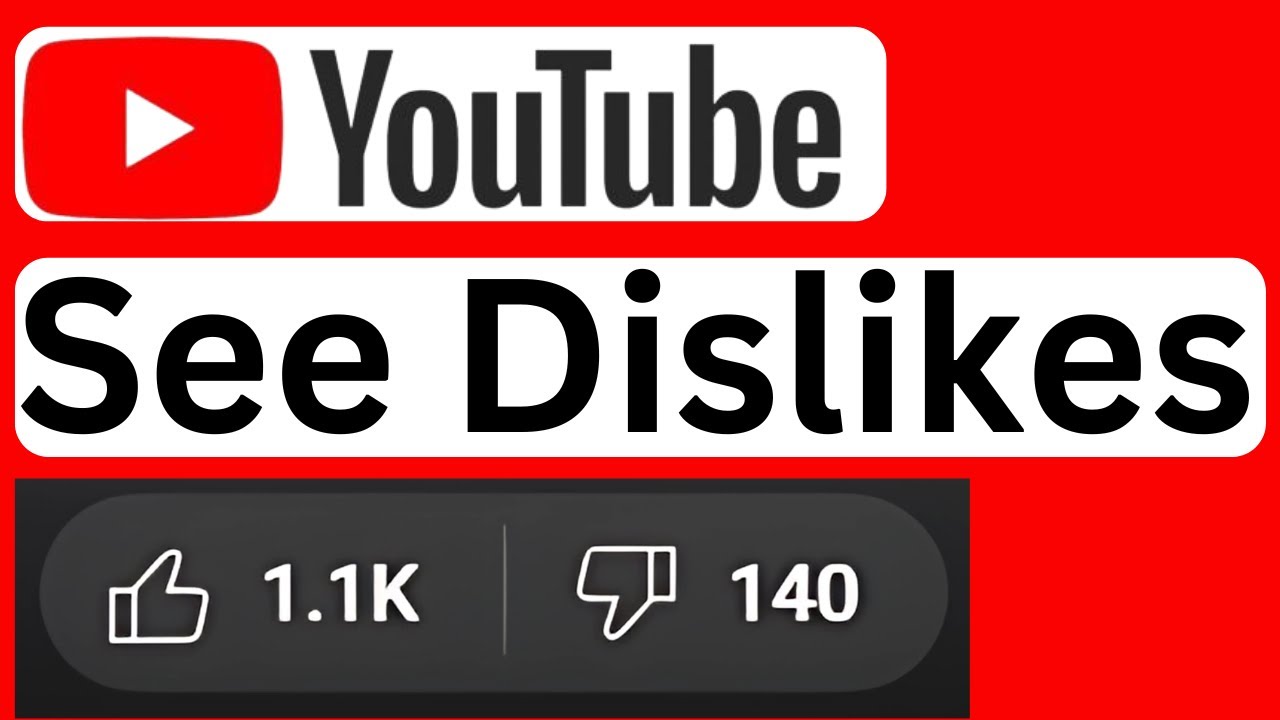
Dislikes on YouTube serve as a crucial tool for both viewers and creators. They help shape the platform’s community dynamics and influence content quality. Here’s why they matter:
- Feedback Mechanism: Dislikes provide immediate feedback to creators about their content. If a video garners a high dislike ratio, it signals that viewers weren’t satisfied. For instance, a tutorial video with many dislikes might indicate that the instructions were unclear or unhelpful.
- Curating Quality Content: Users often rely on likes and dislikes to curate what they watch. A video with more dislikes than likes may deter potential viewers, while a positive ratio boosts confidence in the content. This creates a natural filtering system, helping audiences find videos that resonate with them.
Moreover, dislikes contribute to the overall analytics of a channel. Creators can analyze viewer reactions and adapt future content accordingly. For example, a cooking channel might notice that their dessert recipes receive more dislikes than savory dishes. This insight can guide them to focus on what their audience loves.
However, the dislike button isn’t without controversy. Some argue that it can harm creators, especially emerging ones, who might receive disproportionate negativity. This has led YouTube to experiment with hiding dislike counts from public view while still allowing creators to see their metrics internally. This change aims to balance viewer expression and creator mental health.
In conclusion, dislikes are more than just negative feedback; they play a pivotal role in shaping YouTube’s content landscape. They inform creators, guide viewers, and promote a dynamic environment where quality content can thrive. Understanding this balance is key for anyone navigating the platform, whether as a viewer or a creator!
Also Read This: Getting Local News on YouTube TV: A Complete Guide
3. Can You Track Who Disliked Your Videos?
Ever wondered who might be disliking your YouTube videos? It’s a common question among creators trying to make sense of audience feedback. Unfortunately, the answer is a bit of a downer: you can't track who disliked your videos. YouTube maintains a strict policy on viewer anonymity to protect users' privacy.
When someone hits that thumbs-down button, it gets recorded in the aggregate data that you can see in your analytics, but the specific identities remain cloaked. This is a deliberate choice by YouTube to create a safe space for viewers to express their opinions without fear of backlash. Imagine if you could see who disliked your content—you might hold grudges or feel discouraged, right?
Instead of focusing on individual dislikes, it’s better to look at the overall trends in your metrics. Here are a few tips to manage the feedback:
- Engage with your audience: Read comments and look for common themes in feedback to improve your content.
- Check your analytics: Analyze viewer retention rates; a drop might suggest that the video isn’t resonating well.
- Experiment: Try different styles of videos or topics to see what your audience enjoys more.
In summary, while you can't pinpoint who disliked your videos, understanding the larger picture of viewer feedback can help you grow as a creator. Use dislikes as a learning tool rather than a personal affront, and you’ll keep moving forward!
Also Read This: How to Watch VR on YouTube: A Complete Guide
4. YouTube's Policy on Privacy and Dislikes
YouTube's approach to privacy, especially regarding dislikes, is rooted in ensuring a positive user experience. The platform operates under the principle that every viewer has the right to express their opinion anonymously. This policy extends to dislikes, meaning that while you can see how many people disliked your video, you won’t know who they are or why they clicked that button.
This anonymity is crucial for several reasons:
- Encouraging honest feedback: When users feel their identities are protected, they’re more likely to provide genuine feedback. This honesty can be invaluable for creators looking to improve.
- Reducing toxicity: If viewers knew their identities were tied to their dislikes, it might lead to harassment, bullying, or negative interactions within the community. YouTube aims to mitigate these risks.
- Fostering diverse opinions: A variety of perspectives can be beneficial for content creators. Anonymity encourages a broader range of feedback without fear of judgment.
Moreover, YouTube is constantly updating its policies to enhance user experience and privacy. For instance, they have implemented features that allow users to control their privacy settings, making it easier for them to manage their interactions on the platform.
As a content creator, understanding and adapting to these policies can significantly benefit your channel. Focus more on creating quality content that resonates with your audience rather than getting bogged down by individual dislikes. Remember, growth on YouTube is a journey, and every piece of feedback is a stepping stone!
Also Read This: Why You’re Seeing More Ads on YouTube: Analyzing the Increase
5. Impacts of Dislikes on Your Channel
It’s a common misconception that dislikes are purely negative. While they can feel discouraging, they serve a purpose. Dislikes can impact your channel in various ways, and understanding these effects can empower you as a creator. Let’s break it down!
- Engagement Metrics: YouTube’s algorithm thrives on engagement. Dislikes contribute to your video's overall interaction rate. Interestingly, a video with a mix of likes and dislikes may be seen as more authentic, potentially boosting its visibility.
- Viewer Feedback: Dislikes can act as a form of feedback. If several viewers dislike a specific video, it might indicate that the content didn’t resonate. This feedback can guide your future video topics and styles.
- Content Improvement: Use dislikes as a tool for growth. If a video gets many dislikes, consider analyzing the content to see what went wrong. Were the expectations set incorrectly? Was the pacing too slow? This reflection can lead to better content next time.
- Community Interaction: Dislikes can spark conversations. They often lead to comments where viewers express their opinions, leading to discussions. This engagement can foster a sense of community among your audience.
However, it’s important to maintain perspective. A few dislikes among many likes can be completely normal. Focus on overall viewer satisfaction and engagement rather than getting too hung up on the numbers.
6. How to Handle Dislikes Constructively
Receiving dislikes can sting, but it’s essential to approach them with a constructive mindset. Here are some strategies to turn those dislikes into opportunities for growth:
- Don’t Take It Personally: First and foremost, remember that not everyone will love your content. Dislikes often reflect individual tastes rather than the quality of your work. Keep creating for your audience, and don’t let negativity deter you!
- Analyze Viewer Comments: Check the comments section for insights. Often, viewers will articulate why they disliked a video. Use this feedback to identify patterns and make adjustments where necessary.
- Engage with Your Audience: If appropriate, respond to feedback constructively. Thank viewers for their honesty and ask for specifics on how you can improve. This shows that you value their opinions and are committed to delivering better content.
- Focus on the Positives: Celebrate the likes and positive comments you receive! Acknowledge your supporters and remind yourself of the value you provide to your community.
- Learn and Adjust: Use dislikes as a learning opportunity. If you notice a trend, consider making adjustments to your content style, topics, or presentation. This willingness to evolve can enhance your channel’s appeal.
Remember, every creator faces dislikes at some point. The key is to take them in stride and view them as stepping stones toward improvement. By adopting a constructive outlook, you can transform potential setbacks into powerful lessons!
 admin
admin