The Second Battle of El Alamein, fought from October 23 to November 11, 1942, marked a pivotal moment in the North African campaign during World War II. This battle represented the turning point for the Allied forces against the Axis powers, particularly the German Afrika Korps led by General Erwin Rommel. It was a fierce confrontation in the deserts of Egypt, where the stakes were incredibly high. Victory here was crucial for the Allies to gain momentum and push back the Axis forces. Let’s dive deeper into the events that led to this monumental clash.
Key Events Leading to the Battle
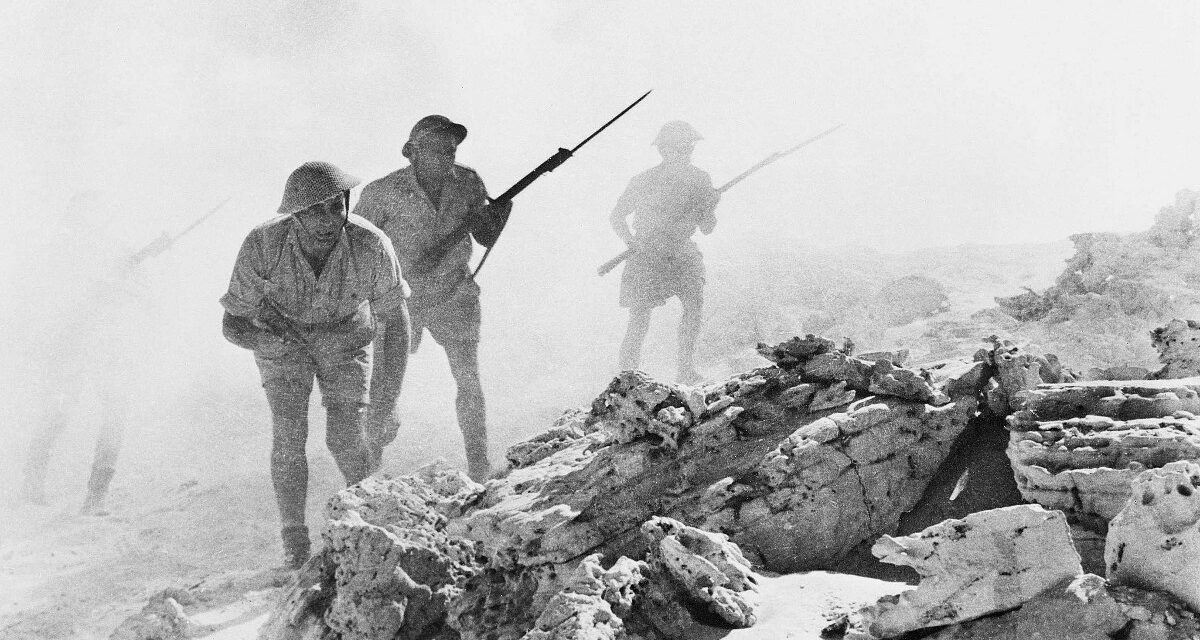
The road to the Second Battle of El Alamein was paved with a series of important events and battles that shaped the strategic landscape of North Africa. Here are some of the key events that set the stage:
- Operation Crusader (November-December 1941): This Allied offensive aimed to relieve the besieged city of Tobruk and push back the Axis forces. Although initially successful, it eventually led to a counter-offensive where Rommel's forces regained much of the lost territory.
- The Siege of Tobruk (April-December 1941): This prolonged siege saw Allied forces hold out against relentless assaults by Axis troops. The eventual fall of Tobruk to the Axis in June 1942 was a significant blow to Allied morale and control in North Africa.
- The Battle of Gazala (May-June 1942): Following the fall of Tobruk, the Axis launched an offensive at Gazala, resulting in a decisive victory for Rommel. This battle demonstrated the effectiveness of the German tank divisions and led to the capture of Tobruk, further solidifying Axis control.
- The Retreat to El Alamein (June-July 1942): After the defeat at Gazala, the Allies fell back to a defensive position at El Alamein, a strategic location that would become the site of the upcoming battle. Here, British forces began to regroup and reinforce their positions.
- The Arrival of Reinforcements: As the summer of 1942 progressed, the Allies brought in fresh troops and resources, bolstered by supplies from the United States and other Allied nations. This buildup was vital for the success of the upcoming offensive.
Each of these events contributed to the mounting tensions and preparations for the Second Battle of El Alamein. The Allies learned from their previous mistakes, adapting their strategies in anticipation of Rommel's tactics. The stage was set for one of the most significant confrontations of the North African campaign, as both sides braced for what would prove to be a defining moment in the war.
Also Read This: Best Alamy Images Downloader: Simplifying the Image Downloading Experience
3. Overview of the Second Battle of El Alamein
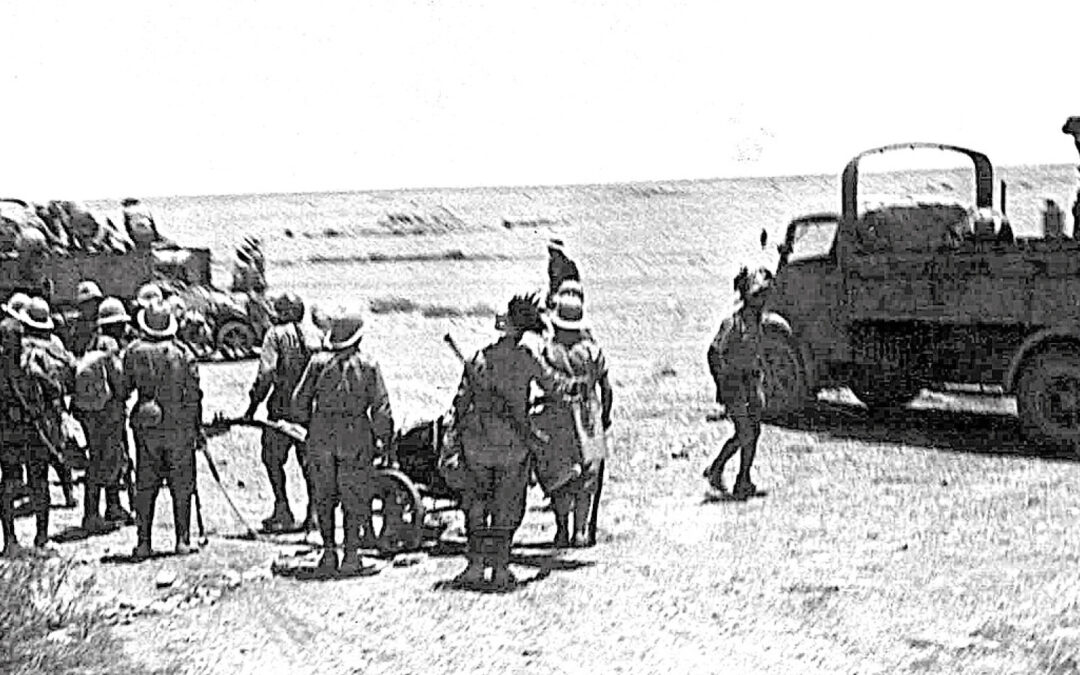
The Second Battle of El Alamein, fought between October 23 and November 11, 1942, marked a pivotal moment in the North African Campaign during World War II. This battle was not just a military confrontation; it signified the turning point in the war against the Axis powers in Africa. British forces, led by General Bernard Montgomery, faced off against the German-Italian Panzer Army commanded by Field Marshal Erwin Rommel.
Before diving into the details, let’s set the stage:
- Location: El Alamein, a small town in Egypt, was a strategic point along the road to Alexandria and the Suez Canal.
- Forces Involved: The battle involved roughly 200,000 Allied troops against about 100,000 Axis soldiers.
- Objectives: The Allies aimed to push the Axis forces out of Egypt and regain control over a critical supply route.
The battle commenced with an intense artillery barrage that preceded a well-coordinated infantry and armored assault. Montgomery’s plan was meticulously crafted, focusing on overwhelming the enemy’s defenses through superior numbers and tactics. The Allied forces employed a tactic known as “the creeping barrage,” where artillery fire moved ahead of infantry advances to clear paths through Axis defenses.
One of the most significant aspects of the Second Battle of El Alamein was the use of deception and intelligence. The Allies conducted extensive reconnaissance and coded messages, which played a crucial role in outmaneuvering Rommel’s forces. In fact, the British were able to mislead the Axis about their true intentions, contributing to their success.
As the battle progressed, the Allies gained ground. The decisive moment came with the launch of Operation Supercharge on October 24, where British forces broke through the enemy’s lines at the Qattara Depression. This breakthrough allowed the Allies to encircle the Axis troops, cutting off their supply routes and leading to a decisive victory.
The outcome of the battle was monumental. The German-Italian forces had to retreat, suffering considerable losses in men and equipment. Montgomery's victory not only boosted morale back in Britain but also laid the groundwork for future Allied offensives in North Africa.
Also Read This: Does Alamy Accept iPhone Photos? Guidelines for Mobile Photography Submissions
4. Immediate Aftermath of the Battle
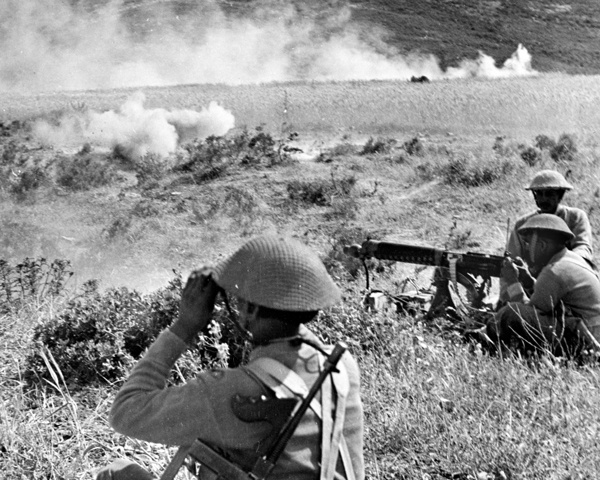
The immediate aftermath of the Second Battle of El Alamein was felt not just on the battlefield, but across the entire strategic landscape of World War II. As the dust settled on November 11, 1942, the Allies celebrated a hard-fought victory, but what did this mean for the soldiers, the nations involved, and the war effort overall?
Let’s break it down:
- Casualties: The Allies suffered approximately 13,500 casualties, while the Axis forces faced an estimated 60,000 casualties, including kills, wounded, and prisoners of war. This marked a significant loss for Rommel’s army.
- Strategic Shift: The battle effectively marked the beginning of the end for Axis control in North Africa. The victory allowed the Allies to pursue Rommel’s retreating forces into Tunisia, paving the way for further operations.
- Morale Boost: For the British public and military, the victory was a much-needed morale boost. After a series of defeats, the triumph at El Alamein became a symbol of resilience and determination.
In the following weeks, the Allies capitalized on their success, launching Operation Crusader to drive deeper into North Africa. The morale among Allied troops surged, and the confidence in Montgomery as a commander grew significantly. His methodical approach and success at El Alamein solidified his reputation as a formidable leader.
On the flip side, the defeat had dire consequences for the Axis forces. Rommel, known for his tactical brilliance, faced severe criticism from Hitler and was forced to make strategic adjustments. The withdrawal of German troops from North Africa would ultimately lead to the loss of Italian territories and the eventual fall of Axis power in the region.
In essence, the Second Battle of El Alamein didn’t just change the course of North African operations; it set the stage for Allied victories in Europe, contributing to the eventual defeat of the Axis powers. The echoes of this battle reverberated through history, symbolizing not only a military achievement but also a turning point in the fight for global freedom.
Also Read This: What Does the Name 'Alamy' Mean? A Brief History of Its Origins
5. Operation Lightfoot: Objectives and Strategies
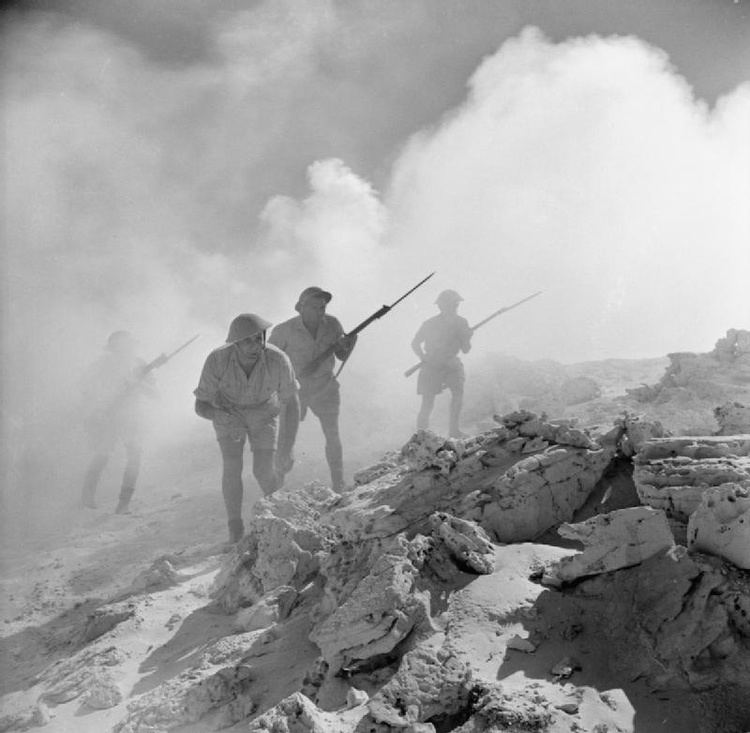
Operation Lightfoot, launched by the British Eighth Army in October 1942, aimed to break through the formidable defenses of the Axis powers during the Second Battle of El Alamein. The operation's name may sound whimsical, but the stakes were anything but light. The primary objective was to create a decisive breach in the German and Italian lines, allowing the Allies to push forward and ultimately defeat the Axis forces in North Africa.
The strategy behind Operation Lightfoot was multi-faceted and heavily reliant on coordination, deception, and the element of surprise. Here are some key objectives:
- Breaching the Axis Lines: The main goal was to penetrate the front lines and capture key positions, enabling a follow-up assault that could encircle enemy troops.
- Disruption of Supply Lines: By targeting logistical hubs, the Allies aimed to disrupt the Axis supply routes, making it difficult for them to sustain their forces.
- Intelligence Gathering: The operation was also about gathering intelligence on enemy positions and movements, which would be crucial for subsequent stages of the battle.
- Boosting Morale: A successful operation was essential for boosting the morale of Allied troops and their international allies, proving that victory was achievable.
To execute these objectives, the British relied on a mix of artillery bombardments, infantry assaults, and armored divisions. The plan included a deceptive setup that misled the Axis forces about the actual point of attack. By making it appear that the main thrust would occur elsewhere, the Allies hoped to catch the German forces off guard.
In the early hours of October 24, 1942, the operation commenced with a massive artillery barrage that aimed to soften enemy defenses. This was followed by coordinated infantry movements to exploit the breaches created in the Axis lines. Tanks, renowned for their speed and firepower, played a pivotal role in executing the strategy, breaking through and advancing towards enemy positions.
Even with these well-laid plans, Operation Lightfoot faced significant challenges. The Axis forces, led by the experienced General Erwin Rommel, were prepared for a fight. The terrain was harsh, and the weather conditions added to the difficulties. However, the British tenacity and innovative tactics ultimately started to turn the tide. The operation set the stage for subsequent advances and proved to be a vital component of the overall success at El Alamein.
6. Impact of the Second Battle on World War II
The Second Battle of El Alamein marked a significant turning point in World War II, especially in the North African theater. Its outcomes rippled through the course of the war, influencing strategies, morale, and the eventual fate of both Axis and Allied forces.
Here are some critical impacts:
- Turning Point in North Africa: El Alamein is often cited as the beginning of the end for Axis control in North Africa. The defeat weakened German and Italian forces, paving the way for the Allied advance into North Africa.
- Boosting Allied Morale: The victory rejuvenated Allied morale, demonstrating that the Axis powers could be defeated. This was crucial as it encouraged further cooperation among Allies and boosted recruitment efforts.
- Strategic Shift: Following the battle, the Allies gained momentum that led to the successful invasion of French North Africa in Operation Torch. This operation opened new fronts in the war.
- Impact on Military Strategy: The tactics and lessons learned during the battle influenced future operations, including the importance of combined arms and logistical support in modern warfare.
- Rommel's Retreat: The defeat forced General Rommel to retreat and reorganize, which had cascading effects on Axis operations in the Mediterranean.
In summary, the Second Battle of El Alamein was not just a victory but a crucial pivot in the broader context of World War II. It showcased the resilience of Allied forces and hinted at the shifting tides of war, which would lead to eventual victories in other theaters. The impact of this battle continues to be studied by military strategists and historians alike, as it encapsulates the intricate balance of strategy, bravery, and the unpredictable nature of warfare.
 admin
admin