Introduction to Earthquakes
Earthquakes are one of nature's most powerful and unpredictable phenomena. They can strike suddenly, causing significant destruction and altering landscapes within moments. But what causes these seismic events? In this blog post, we’ll dive into the science behind earthquakes, exploring their origins and the factors that contribute to their occurrence. Strap in as we embark on this fascinating journey into the Earth's inner workings!
Also Read This: Creating a New Facebook Account on Dailymotion
The Science Behind Earthquakes
At the heart of understanding earthquakes lies the Earth's structure. The planet is made up of several layers:
- Crust: The thin outer layer where we live, divided into tectonic plates.
- Mantle: This layer lies beneath the crust and is semi-solid, allowing for slow movements.
- Outer Core: A liquid layer composed mainly of iron and nickel.
- Inner Core: A solid ball of iron and nickel at the center of the Earth.
The Earth's crust is not a single piece but is divided into various tectonic plates. These plates constantly move, albeit very slowly—typically only a few centimeters per year. Their interactions can be categorized into three main types:
- Divergent Boundaries: Where plates move apart, allowing magma to rise and create new crust.
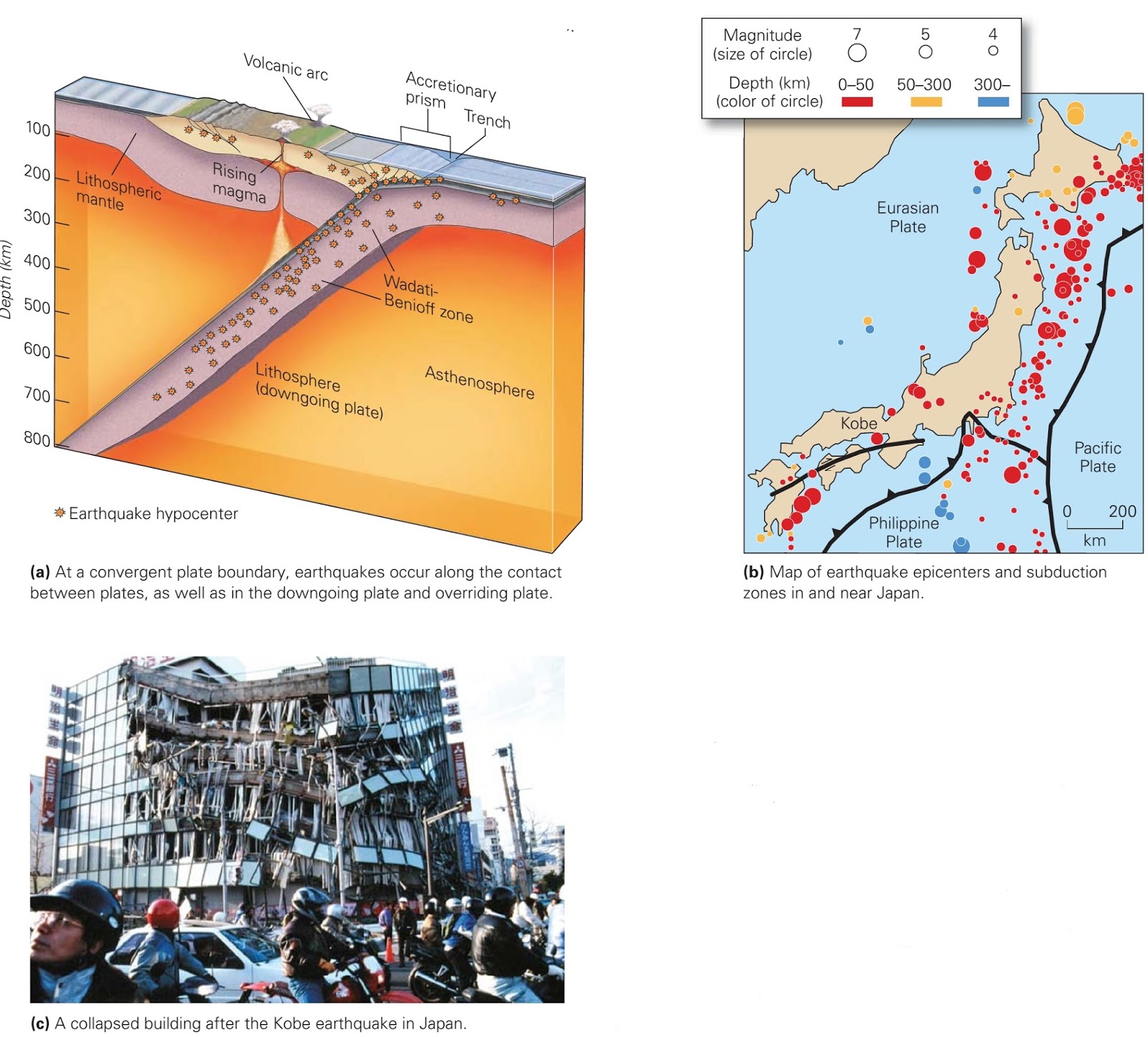
- Convergent Boundaries: Where plates collide, often leading to one plate being pushed beneath another, a process known as subduction.
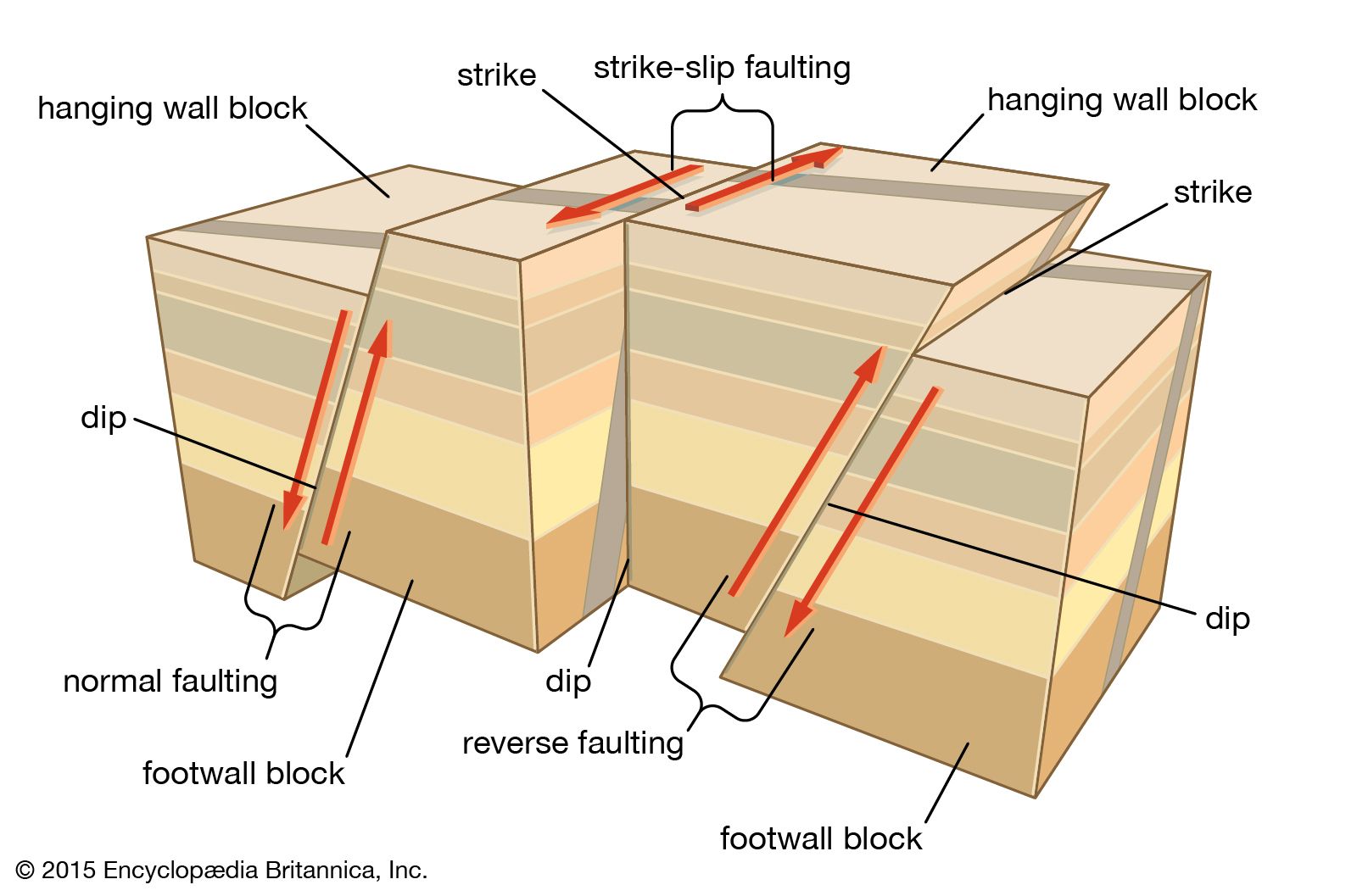
- Transform Boundaries: Where plates slide past one another, creating friction that can lead to earthquakes.
Most earthquakes occur along these tectonic boundaries rather than within the plates themselves. When the stress from moving plates exceeds the strength of the rocks, it leads to a sudden release of energy. This release travels through the Earth in the form of seismic waves, which we feel during an earthquake.
Seismologists use instruments called seismometers to detect and measure these waves. They can categorize earthquakes based on their magnitude, which is determined using the Richter scale or the moment magnitude scale (Mw). For instance:
| Magnitude Range | Description |
|---|---|
| 1.0 - 2.9 | Micro earthquake, not felt by people. |
| 3.0 - 3.9 | Minor earthquake, usually felt but rarely causes damage. |
| 4.0 - 4.9 | Light earthquake, often felt, but damage is minimal. |
| 5.0 - 5.9 | Moderate earthquake, can cause damage in populated areas. |
| 6.0 - 6.9 | Strong earthquake, significant damage possible. |
| 7.0 and higher | Major earthquake, can cause widespread, severe damage. |
Understanding the science behind earthquakes not only helps us comprehend these natural events but also prepares us to mitigate their impacts. With advancements in technology and seismology, scientists are continuously working to improve early warning systems and build structures that can withstand seismic forces, ultimately saving lives and reducing damage during earthquakes.
Also Read This: How to Choose a Profile Picture on Dailymotion: A Guide for Personalization
3. Causes of Earthquakes
Earthquakes are fascinating yet terrifying phenomena that can shake the very ground beneath our feet. But what exactly causes these sudden bursts of energy? There are several key factors that contribute to the occurrence of earthquakes, and understanding these can help us appreciate their complexity.
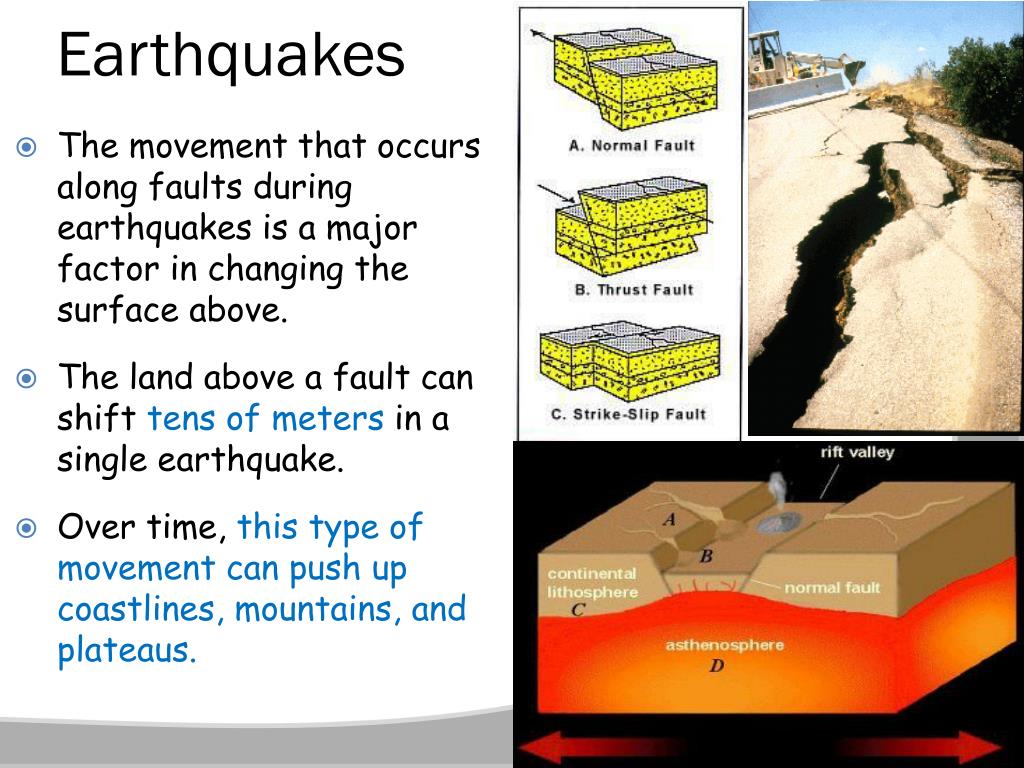
Firstly, the most common cause of earthquakes is the movement of tectonic plates. The Earth's crust is divided into several large and small plates that float atop the semi-fluid mantle. When these plates interact—whether by colliding, pulling apart, or sliding past each other—they can become strained. Eventually, the stress exceeds the strength of the rocks, resulting in a sudden release of energy that we feel as an earthquake.
In addition to tectonic movement, earthquakes can also be triggered by:
- Volcanic Activity: When magma rises to the surface, it can create pressure and lead to volcanic earthquakes.
- Human Activities: Activities such as mining, reservoir-induced seismicity (the weight of water in large dams), and even hydraulic fracturing can cause earthquakes.
- Fault Lines: These are fractures in the Earth where blocks of crust have moved. Most earthquakes occur along these faults, especially when they become locked due to friction.
Understanding these causes allows scientists to predict areas where earthquakes are more likely to occur, which is crucial for disaster preparedness.
Also Read This: Troubleshooting Playback Problems for What Is Wrong with Secretary Kim Episode 13 on Dailymotion
4. The Role of Tectonic Plates
Tectonic plates are the unsung heroes (or villains) behind the drama of earthquakes. These massive slabs of Earth's crust are constantly in motion, albeit at a snail's pace. Their interactions define much of our planet's seismic activity and shape the geography we see today.
There are three primary types of plate boundaries, each playing a distinct role in earthquake generation:
- Divergent Boundaries: Here, plates move apart from each other. This movement can lead to the formation of new crust as magma rises to the surface. Earthquakes at these boundaries are typically less intense but can still be significant.
- Convergent Boundaries: In contrast, at convergent boundaries, plates collide. This intense pressure can create powerful earthquakes, especially when one plate is forced under another in a process called subduction. The infamous San Andreas Fault is a prime example of this type.
- Transform Boundaries: These boundaries occur when plates slide past one another. The friction between them can lead to significant seismic activity, producing some of the most damaging earthquakes.
As these plates continue their slow dance, they build up energy along fault lines. When the stress becomes too great, the plates slip, resulting in an earthquake. This process not only explains earthquakes but also gives us insights into the history of our planet's geological activity.
By studying tectonic plates and their movements, scientists can better understand earthquake patterns and potentially improve early warning systems. For instance, advancements in seismology and GPS technology have allowed researchers to monitor plate movements more accurately, which is crucial for minimizing the impact of these natural events.
Also Read This: How Dairy Milk Chocolate is Made in a Factory
5. Types of Earthquakes
Earthquakes can be categorized in various ways, fundamentally depending on their cause and the geological settings in which they occur. Understanding these types can help us grasp the diverse nature of seismic activity. Let's dive into the major types of earthquakes:
- Tectonic Earthquakes: These are the most common types and occur due to the movement of tectonic plates. When stress builds up along faults—fractures in the Earth's crust—eventually it releases energy, causing an earthquake. For example, the San Andreas Fault in California is a notable site of tectonic earthquakes.
- Volcanic Earthquakes: These earthquakes are associated with volcanic activity. They happen when magma rises to the surface, causing the surrounding rocks to crack and create tremors. A great example is the earthquakes that accompany eruptions at Mount St. Helens.
- Collapse Earthquakes: These are smaller-scale earthquakes that occur when underground caves or mines collapse. Although they are less powerful than tectonic earthquakes, they can still be quite dangerous, particularly in mining areas.
- Induced Earthquakes: These occur due to human activities, such as mining, reservoir-induced seismicity from the filling of large reservoirs, or hydraulic fracturing. An example is the earthquakes linked to wastewater injection in Oklahoma.
- Aftershocks: Aftershocks are smaller earthquakes that occur after the main shock of a larger seismic event. They can occur minutes, days, or even years after the initial quake. For instance, after the 2011 Japan earthquake, numerous aftershocks were recorded, some of which were significant.
Each type of earthquake presents unique challenges and risks. Understanding these differences not only assists scientists and engineers in better preparing for seismic events but also helps communities to recognize the potential hazards in their area.
Also Read This: How to Chromecast on Dailymotion: A Comprehensive Guide for Beginners
6. How Seismographs Measure Earthquakes
Ever wondered how scientists can pinpoint the epicenter of an earthquake or measure its intensity? Enter the seismograph, a fascinating instrument that plays a crucial role in studying seismic activity. Let’s explore how these devices work and what they tell us about earthquakes.
A seismograph consists of a mass (or pendulum) suspended on a spring, which remains stationary while the ground moves during an earthquake. Here’s a simple breakdown of its working principle:
- Ground Motion: When seismic waves travel through the Earth, the ground shakes. The seismograph detects this motion.
- Relative Movement: The mass inside the seismograph remains at rest while the base of the instrument moves with the shaking ground. This relative movement is crucial for measuring the earthquake's intensity.
- Recording the Waves: The movement of the mass is recorded onto a rotating drum or digital storage, creating a seismogram—a graphical representation of the seismic waves.
Seismographs can measure different types of waves:
- P-waves (Primary waves): These are the first waves to arrive and move quickly through the Earth. They compress and expand the material they travel through.
- S-waves (Secondary waves): Following P-waves, S-waves move more slowly and are responsible for the shaking felt during an earthquake. They only travel through solids.
The data collected from seismographs allows scientists to:
- Determine the *magnitude of an earthquake using various scales, such as the Richter scale or the Moment Magnitude scale.
- Identify the epicenter, or the point on the Earth's surface directly above where the earthquake originates.
- Analyze the type and depth* of seismic waves, which helps in understanding the earthquake's impact.
In recent years, advancements in technology have led to more sophisticated seismographs that can detect even minor tremors. These innovations enhance our ability to monitor seismic activity, paving the way for improved safety measures and preparedness in earthquake-prone areas.
Also Read This: How to Change Your Dailymotion Channel URL Easily
7. The Impact of Earthquakes on Communities
Earthquakes can have profound effects on communities, ranging from physical destruction to psychological trauma. When the ground shakes, it doesn't just impact buildings; it affects lives. Let’s explore the various ways earthquakes can influence communities.
Physical Damage: The most immediate impact of an earthquake is the destruction of infrastructure. Roads may crack, bridges can collapse, and buildings can be reduced to rubble. For instance, the 2010 Haiti earthquake devastated Port-au-Prince, causing significant loss of life and leaving countless people homeless.
Economic Consequences: The economic fallout from an earthquake can be staggering. Businesses may close permanently, and local economies can suffer long-term damage. In areas like California, where earthquakes are frequent, the state spends billions on retrofitting buildings and infrastructure to withstand seismic activity. This is a clear indication of how serious the economic implications can be.
Psychological Effects: Beyond the tangible damage, earthquakes can leave emotional scars. Survivors may experience anxiety, depression, or PTSD. Community support systems are crucial in these situations. For instance, after the 2011 Tōhoku earthquake in Japan, many communities initiated programs to help residents cope with their trauma and rebuild their lives.
Community Resilience: On a positive note, earthquakes can also foster resilience and unity among community members. After a major earthquake, you often see neighbors coming together to support each other, share resources, and rebuild. This solidarity can strengthen community bonds in the long run.
In conclusion, while the immediate impacts of earthquakes can be devastating, they also provide an opportunity for communities to unite and grow stronger. Understanding these impacts helps us appreciate the importance of preparedness and resilience planning.
8. Preparedness and Safety Measures
Preparedness is key to minimizing the impacts of earthquakes on communities. Knowing what to do before, during, and after an earthquake can save lives and reduce injuries. Let’s dive into some effective safety measures.
Before an Earthquake:
- Educate Yourself: Learn about your area’s seismic history. Are you in a high-risk zone? Understanding your risks is the first step.
- Make a Plan: Create an emergency plan with your family. Identify safe spots in your home, such as under sturdy furniture, and establish meeting points outside.
- Prepare an Emergency Kit: Stock a kit with essentials like water, non-perishable food, a flashlight, batteries, a first aid kit, and important documents.
During an Earthquake:
- Drop, Cover, and Hold On: This classic phrase emphasizes the importance of getting low, finding cover, and being prepared to hold on until the shaking stops.
- Stay Indoors: If you’re inside, stay there! Move away from windows, exterior walls, and anything that could fall. If you’re outside, find an open area away from buildings, trees, and power lines.
After an Earthquake:
- Check for Injuries: Assess yourself and others for injuries. Apply first aid where needed and seek help if necessary.
- Stay Informed: Use battery-powered radios or your mobile device to get updates from local authorities on safety measures and resources.
- Be Prepared for Aftershocks: Aftershocks can occur minutes, days, or even weeks after the main quake. Remain vigilant and ready to protect yourself.
In summary, being prepared for earthquakes is not just about protecting yourself; it’s about ensuring that your community can respond effectively. By taking proactive steps, we can mitigate the risks and foster a culture of safety in the face of nature’s unpredictability.
 admin
admin