If you're an aspiring photographer looking to make a mark in the industry, becoming a Getty Images photographer could be your golden ticket. Getty Images is one of the largest and most reputable stock photography agencies globally, showcasing stunning visuals across various platforms. Joining their ranks means your work can gain significant exposure, reaching clients from around the world. Let's dive into what it takes to become part of this esteemed community and how you can turn your passion into a thriving career!
Understanding the Requirements for Getty Images Photographers
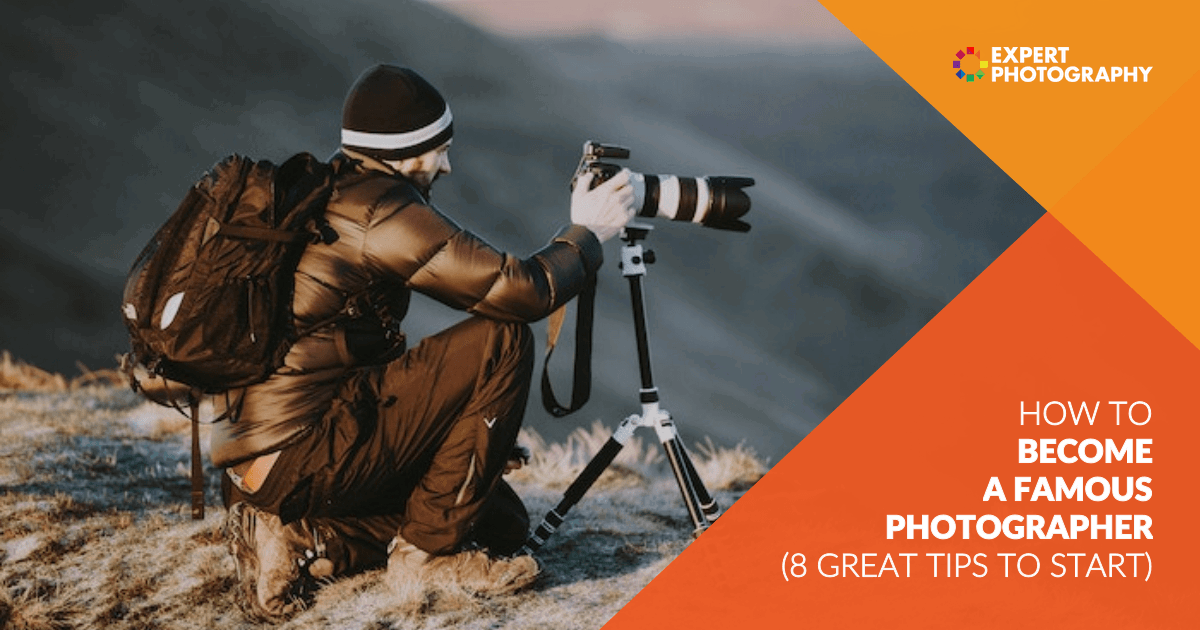
Before you start packing your gear and dreaming of your first Getty assignment, it's essential to understand the requirements for submitting your work. Here’s a breakdown of what you need to consider:
- Portfolio Quality: Getty Images demands exceptional quality in photography. Your portfolio should showcase your best work, highlighting your unique style and skills. Aim for diversity in your images, covering different themes, subjects, and techniques.
- Technical Skills: A solid grasp of photography basics, including composition, lighting, and post-processing, is crucial. Familiarize yourself with tools like Adobe Lightroom and Photoshop to enhance your images. Remember, technical perfection can set you apart!
- Commercial Appeal: Stock photography is all about marketability. Think about what types of images sell best. Popular categories include lifestyle, business, nature, and food photography. Research current trends to ensure your work meets buyers' demands.
- Model and Property Releases: If your photos feature recognizable people or private property, securing the necessary releases is a must. These legal documents protect both you and Getty Images by ensuring no rights issues arise later.
- Submission Process: Once you feel confident about your portfolio, you can apply to become a Getty Images contributor. This usually involves filling out an application, uploading samples of your work, and possibly passing a review process. Be prepared for feedback and revisions!
Additionally, consider the importance of staying updated with industry trends and continuously improving your skills. Attend workshops, follow photography blogs, and engage with fellow photographers. The more you immerse yourself in the community, the better your chances of success.
In conclusion, becoming a Getty Images photographer requires more than just a good eye; it demands dedication, creativity, and a keen understanding of the market. By focusing on quality and honing your technical skills, you'll be well on your way to building a successful career in stock photography.
Also Read This: How to Get Pictures from Getty Images Without a Watermark: Legal Alternatives
3. Building Your Photography Skills
So, you’ve got your sights set on becoming a Getty Images photographer—exciting, right? But before you dive into that world, it’s essential to build a solid foundation in photography skills. Here’s how you can sharpen your craft and get ready for the big leagues.
1. Master the Basics
Start by understanding the fundamental concepts of photography. Learn about exposure, aperture, ISO, and composition. These elements are the building blocks of great photography. Consider taking an introductory course, whether online or at a local community college, to grasp these concepts effectively.
2. Experiment with Different Styles
Don't box yourself into one category just yet! Explore various styles, such as:
- Portrait Photography
- Landscape Photography
- Street Photography
- Wildlife Photography
Each style presents unique challenges and will help you develop versatility in your skills. Plus, it’s a lot of fun to discover what resonates with you!
3. Invest in Quality Gear
Your camera is your best friend in this journey. While you don’t need the latest model, having a decent DSLR or mirrorless camera can significantly impact your photography. Brands like Canon and Nikon offer great options for beginners. Don’t forget about the importance of lenses; a good lens can elevate your photography to a new level!
4. Practice, Practice, Practice!
The more you shoot, the better you become. Set a goal to take a certain number of photos each week. Challenge yourself with different subjects and settings. If you’re unsure where to start, try themed photo challenges or join local photography clubs for inspiration and feedback.
5. Seek Feedback
Feedback is invaluable when building your skills. Share your work with friends, family, or online communities. Websites like Flickr or 500px can provide platforms for showcasing your work and receiving constructive criticism. Don’t shy away from critiques; they’ll help you grow.
Also Read This: How to Download Getty Images Without Watermark (2019 Version): Updated Methods to Remove Watermark from Getty Images
4. Creating a Strong Portfolio
Now that you’re honing your skills, it’s time to focus on building a portfolio that can catch the eye of Getty Images. Your portfolio is your visual resume, and it needs to showcase your best work effectively.
1. Select Your Best Work
Quality over quantity is key here. Choose a selection of your strongest images—about 15 to 20 will do. Make sure they showcase your versatility and unique style. If you have a standout shot that tells a story or evokes emotion, include it!
2. Tell a Story
When arranging your portfolio, think about the narrative. Group similar themes or styles together. For instance, if you have stunning portraits, create a section dedicated to them. This helps potential clients understand your range and vision as a photographer.
3. Keep It Updated
Your portfolio shouldn’t be a static entity. As you improve and produce new work, refresh it regularly. Aim to replace older images with newer, stronger ones. This not only keeps your portfolio dynamic, but it also shows that you’re continually evolving as an artist.
4. Build an Online Presence
In today’s digital age, having an online portfolio is a must. Websites like Wix, Squarespace, or Portfoliobox offer user-friendly options to create a stunning online showcase. Ensure your website is easy to navigate and visually appealing!
5. Get Feedback Again
Once you’ve created your portfolio, don’t hesitate to seek feedback again. Ask fellow photographers or mentors to review it. Their insights can help you fine-tune your selection and layout before you present it to Getty Images.
Building your skills and crafting a standout portfolio are crucial steps on your journey to becoming a Getty Images photographer. With dedication and creativity, you’ll be well on your way to capturing the world through your lens!
Also Read This: Citing Images in PowerPoint Presentations
5. How to Submit Your Work to Getty Images
So, you’ve created some amazing images and are ready to share them with the world through Getty Images? Great choice! Submitting your work might seem daunting, but with a little guidance, you’ll find it straightforward. Here’s how you can do it:
- Create an Account: First things first, you’ll need a contributor account. Head over to the Getty Images Contributor Portal and sign up. Fill in the necessary details about yourself and your photographic style.
- Understand the Guidelines: Getty has specific submission guidelines. Familiarize yourself with their standards for quality and content. For example, they prefer high-resolution images (minimum 4 megapixels) and images that tell a story or fit a theme.
- Choose Your Best Work: Think quality over quantity! Curate a selection that represents your style and expertise. It’s better to submit fewer high-quality images than a large number of mediocre ones.
- Keywording is Key: When you upload your images, make sure to use relevant keywords. This helps potential buyers find your work more easily. Think about what someone looking for your image might type into a search engine.
- Submit and Wait: After you’ve uploaded your images and added details, hit that submit button! Getty Images will review your work, which can take from a few days to a couple of weeks. Be patient during this process!
Once your images are accepted, they’ll be available for licensing, and you’ll start earning royalties each time someone purchases your work. Exciting, right?
Also Read This: How Much Is Getty Images Worth? A Look at Its Market Value
6. Tips for Success as a Getty Images Contributor
Now that you’re on your way to submitting your work, let’s discuss some tips to help you thrive as a Getty Images contributor. Success doesn’t just happen overnight, but with dedication and strategy, you can pave your path. Here are some proven tips:
- Stay Current with Trends: Keep an eye on current photography trends and popular subjects in the market. Whether it’s lifestyle shots, travel photography, or conceptual images, aligning your portfolio with market demand can increase your chances of sales.
- Network with Other Photographers: Join online communities or local photography clubs. Networking can lead to collaborations, valuable feedback, and insights into what works in the industry.
- Diversity in Your Portfolio: Having a diverse range of images can attract a wider audience. Consider exploring various themes and subjects. For instance, if you specialize in nature photography, try incorporating some urban shots or portraits into your portfolio.
- Optimize Your Metadata: Accurate and descriptive metadata not only enhances searchability but also gives potential buyers the context they need. Include the location, subject matter, and any relevant stories behind the shot.
- Learn from Feedback: If your submissions are rejected, don’t take it personally! Use it as a learning opportunity. Getty often provides feedback; review it carefully and apply it to future submissions.
Remember, success on Getty Images is a marathon, not a sprint. Stay passionate about your craft, keep creating, and you’ll see the fruits of your labor in no time!
Also Read This: 5 Ways to Use Social Media to Showcase Your Photography Portfolio
7. Networking and Growing Your Photography Career
As an aspiring photographer aiming to get your work on platforms like Getty Images, networking is one of the most crucial steps you can take. Building connections not only opens doors for opportunities but also enriches your understanding of the industry. Here’s how you can effectively network and grow your photography career:
- Attend Industry Events: Look for photography exhibitions, workshops, or conferences in your area. These events are fantastic for meeting fellow photographers and industry professionals. Don’t forget to bring your business cards!
- Join Online Communities: Platforms like Instagram, Reddit, and Facebook have vibrant photography communities. Engaging with others in these spaces can lead to collaborations and valuable insights.
- Collaborate with Other Creatives: Team up with models, stylists, or makeup artists for photoshoots. Not only will this diversify your portfolio, but it also helps establish a network of associates who may promote your work.
- Utilize LinkedIn: While Instagram is essential for showcasing your work, LinkedIn is great for professional networking. Connect with industry leaders, join photography groups, and share your projects.
As you build relationships, don’t hesitate to reach out to photographers whose work you admire. Be genuine in your approach; perhaps you could ask for feedback on your portfolio or advice on breaking into the industry. Remember, everyone was once where you are now, and most creatives are happy to help!
Additionally, consider attending local meetups or joining photography clubs. These small gatherings can lead to lifelong friendships and collaborations. Who knows? The next big project could come from someone you met at a local café!
As you establish your network, focus on maintaining these relationships. Regularly check in with your contacts, share their work, and celebrate their successes. Building a robust network is not just about what you can gain; it’s also about giving back to the community that supports you. This reciprocal relationship can help your photography career flourish.
8. Conclusion and Final Thoughts
Becoming a photographer for Getty Images is an exciting journey filled with opportunities and challenges. Remember, it’s not just about technical skills but also about storytelling and connecting with your audience. Here’s a quick recap of essential points to consider:
- Master Your Craft: Continually hone your photography skills through practice, education, and experimentation.
- Build a Strong Portfolio: Create a diverse portfolio that showcases your unique style and versatility.
- Understand the Market: Familiarize yourself with the types of images Getty Images seeks and tailor your work accordingly.
- Network Effectively: Engage with fellow photographers and industry professionals to build valuable connections.
As you embark on this creative journey, stay open to feedback and be willing to adapt. The photography industry is ever-evolving, and embracing change can lead to exciting new paths. Remember, every successful photographer started as an aspiring creator just like you.
In conclusion, stay passionate about your craft, keep pushing your boundaries, and don't shy away from opportunities. Whether you’re shooting landscapes, portraits, or editorial work, your unique perspective is what will make your images stand out. So grab your camera, connect with others, and start capturing the world through your lens. You never know where your photography journey might take you!
 admin
admin