Hey there! If you’re a frequent YouTube user, you might have noticed a significant change: the removal of the dislike count on videos. This decision stirred up a wave of opinions and emotions among creators and viewers alike. In this post, we’re diving into why this change happened, its impact, and why many are calling for the return of the dislike count. Grab a snack, and let’s explore!
Understanding YouTube's Dislike Count Changes
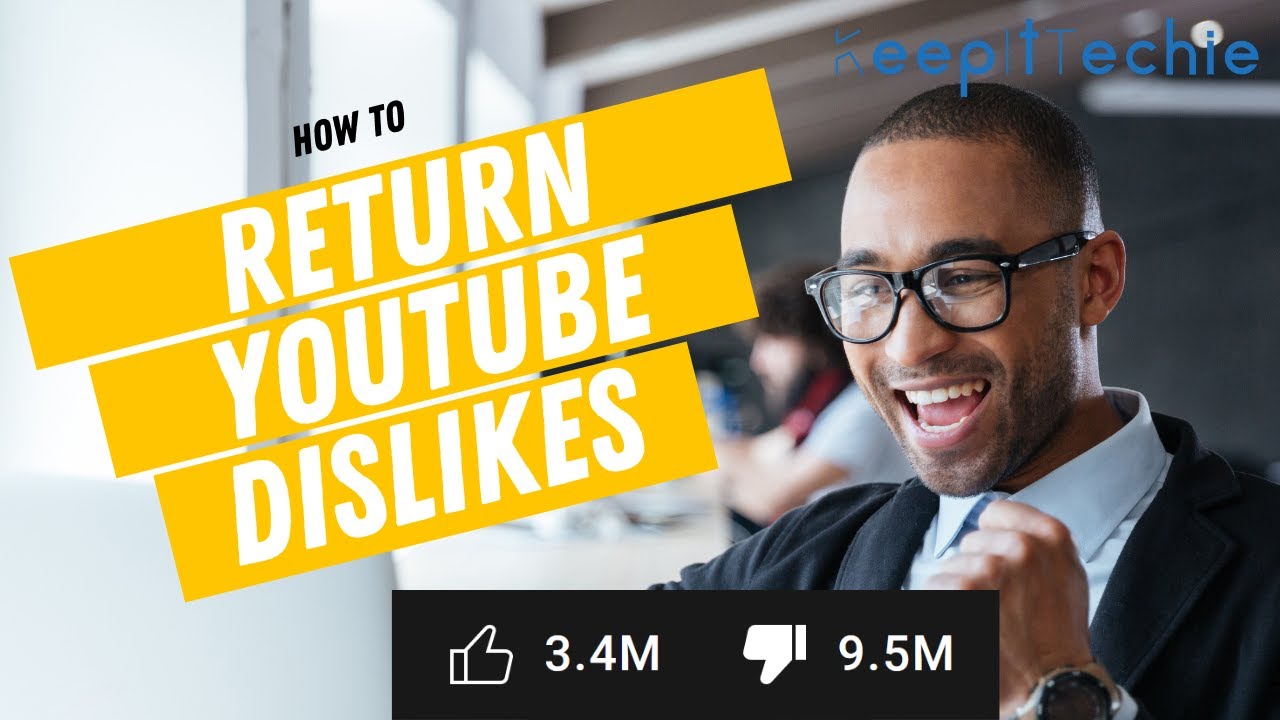
So, what exactly happened with the dislike count on YouTube? In November 2021, YouTube decided to make the dislike count private for most users. While you can still hit that dislike button, the number of dislikes isn’t visible to the public anymore. The decision was aimed at fostering a more positive environment on the platform. But, does it really achieve that? Let’s dig deeper into the reasons behind this change.
*1. Combatting Harassment: One of the primary reasons YouTube cited was to protect creators from targeted harassment. Many smaller channels faced disproportionate dislike rates, which could demoralize them and deter them from creating content. By hiding the dislike count, YouTube aimed to create a more supportive atmosphere for all creators, especially those just starting their journeys.
2. Encouraging Constructive Feedback: YouTube wanted to shift the focus from merely counting dislikes to encouraging constructive criticism. The idea is that creators can benefit more from genuine comments rather than just numerical indicators. You might think, “But how will I know if a video is good or bad?” Well, that’s where the comments section comes in! Instead of just relying on numbers, viewers are encouraged to leave feedback, which can be more helpful for creators looking to improve.
3. Impact on Viewer Experience: Without the dislike count, some users argue that it feels like a loss of transparency. Imagine clicking on a video with high views but no dislike count, and then realizing you’re not a fan. Some viewers appreciate the dislike count as a quick way to gauge the quality of content. There’s a sense of accountability that comes with knowing others didn’t enjoy a video, too!
4. The Creator Perspective: For creators, this change has mixed reviews. Some appreciate the reduced pressure linked to dislike counts, while others miss the feedback mechanism. It’s essential for creators to know what’s resonating with their audience. Without the dislike count, some feel they’re flying blind when it comes to viewer preferences.
In summary:* While YouTube’s intention to create a more positive space is commendable, many users feel a sense of loss with the removal of the dislike count. The dislike button is still there, but the absence of the count has led to ongoing debates about transparency, feedback, and community standards. As YouTube continues to evolve, it’ll be interesting to see how this decision impacts content creation and viewer engagement in the long run.
Also Read This: Is the Outdoor Channel Available on YouTube TV? Streaming Options
3. Reasons for Wanting the Dislike Count Back
It’s no secret that when YouTube decided to hide the dislike count, it stirred quite the debate. Many users, creators, and viewers expressed their discontent. So, why do people feel so strongly about wanting the dislike count back? Let’s dive into a few compelling reasons.
Transparency and Authenticity: One of the primary reasons is the desire for transparency. The dislike count served as a quick, visual cue about the quality of the content. If a video had a high dislike ratio, viewers could gauge that there might be something off about the video before committing their time to it. This kind of feedback loop promotes authenticity, allowing creators to refine their content based on viewer responses.
Accountability for Creators: The dislike count held creators accountable. When the dislikes were visible, it encouraged them to deliver quality content. If a creator started posting clickbait or misleading videos, they were likely to receive a backlash in the form of dislikes. This mechanism kept the platform healthy and encouraged creators to focus on what their audience truly wanted.
Community Engagement: Dislikes fostered community engagement. They sparked discussions in the comments section, often leading to debates about content quality. Without the dislike count, some feel that the dialogue around video content has been stifled, reducing the platform from a vibrant community of discussion to a more passive viewing experience.
Viewer Empowerment: Many users feel empowered by the ability to express their opinions through likes and dislikes. It’s a way to voice dissatisfaction with content they find objectionable or poorly executed. Removing this feature feels like taking away a voice from viewers, which can lead to frustration and a sense of helplessness.
All these reasons highlight the importance of the dislike count in maintaining a balanced, transparent, and engaging community on YouTube. But how can viewers and creators work towards restoring this feature? Let’s explore some methods.
Also Read This: Did CoryxKenshin Quit YouTube in 2023 and What’s the Latest Update?
4. Methods to Restore the Dislike Count
So, you’re convinced that bringing back the dislike count is essential. But how can this change actually happen? Here are some actionable methods that can help push for the restoration of the dislike count on YouTube:
- Petitions: Starting or signing petitions is one effective way to showcase collective frustration. A well-structured petition can garner a significant number of signatures, demonstrating to YouTube that a substantial portion of its user base wants the dislike count back.
- Social Media Campaigns: Leverage platforms like Twitter, Instagram, and TikTok to create awareness and rally support. Hashtags like
#BringBackTheDislikescan help unify voices and draw attention to the cause. - Feedback to YouTube: Directly sending feedback through YouTube's feedback channels can make a difference. Users can voice their opinions about the dislike count in comments, posts, and during community polls. Encouraging others to do the same amplifies the message.
- Join Forums and Groups: Engage in discussions on platforms like Reddit and Discord. Joining communities that share your view can help spread awareness and gather ideas on how to approach YouTube about reinstating the dislike count.
- Creator Collaboration: Encourage YouTube creators to voice their opinions. If popular creators back the cause, it’s likely to gain traction. When influencers share their views, their large followings can bring significant attention to the issue.
By employing these methods, viewers and creators can work together to advocate for the return of the dislike count. It’s all about creating a community that values feedback and transparency, ensuring that YouTube remains a platform for genuine content and meaningful interactions.
Also Read This: How to Prevent YouTube from Detecting Your Ad Blocker
5. Tools and Extensions to Track Dislikes
Even though YouTube has removed the visible dislike count, many creators and viewers still crave that information. Thankfully, several tools and browser extensions have emerged to help track dislikes on YouTube videos. Here are some popular options:
- Return YouTube Dislike: This browser extension allows users to see the original dislike counts from videos before the option was removed. It overlays the dislike numbers onto the YouTube interface, making it easy to gauge a video’s reception at a glance.
- VideoAmigo: A powerful analytics tool, VideoAmigo provides comprehensive data about YouTube videos, including engagement metrics like dislikes. It's especially useful for creators looking to analyze their performance and viewer feedback.
- Social Blade: While primarily known for tracking channel statistics, Social Blade can help you understand trends over time, including engagement ratios. This can give you an indirect sense of how viewers feel about your content based on likes and dislikes.
- Vidooly: This video analytics platform offers insights into audience demographics and engagement levels. Although it doesn’t show dislikes directly, it helps creators understand audience preferences, which is just as valuable.
Using these tools, you can gain a better understanding of how your videos are perceived, even in the absence of direct dislike counts. It's essential to leverage these insights to improve your content strategy and engage better with your audience. Keep in mind that while the dislike count might not be visible anymore, understanding viewer sentiment is still crucial for every content creator.
6. Community Reactions and Feedback
The removal of the dislike count on YouTube has sparked a wide range of reactions within the community. Many creators and viewers have voiced their opinions on various platforms, from Twitter to Reddit, discussing the implications and potential consequences of this decision.
- Support for Removal: Some users appreciate the change, arguing that it reduces negativity on the platform. They believe that the dislike button can be weaponized against creators, especially smaller ones, leading to harassment and bullying. Proponents of this view often emphasize the importance of fostering a more positive community atmosphere.
- Criticism from Creators: On the flip side, many creators have expressed frustration and disappointment. They argue that dislikes provided valuable feedback about their content. For instance, a YouTuber may find certain topics or styles garner more dislikes, which can guide their future content decisions. Without this metric, they feel somewhat blind in understanding their audience’s preferences.
- Viewer Sentiment: Viewers have mixed feelings as well. While some appreciate the focus on positivity, others miss the ability to gauge a video's quality before watching it. Many have taken to social media to express concerns about the perceived lack of transparency and how it might affect the discovery of quality content.
Ultimately, the community's feedback reflects a broader conversation about content moderation and viewer engagement on platforms like YouTube. As the platform continues to evolve, it's evident that the desire for constructive criticism and honest feedback remains strong among both creators and audiences.
In the end, whether you support or oppose the removal of the dislike count, one thing is clear: the dialogue surrounding this issue is far from over, and it highlights the importance of community in shaping the future of online content.
 admin
admin